
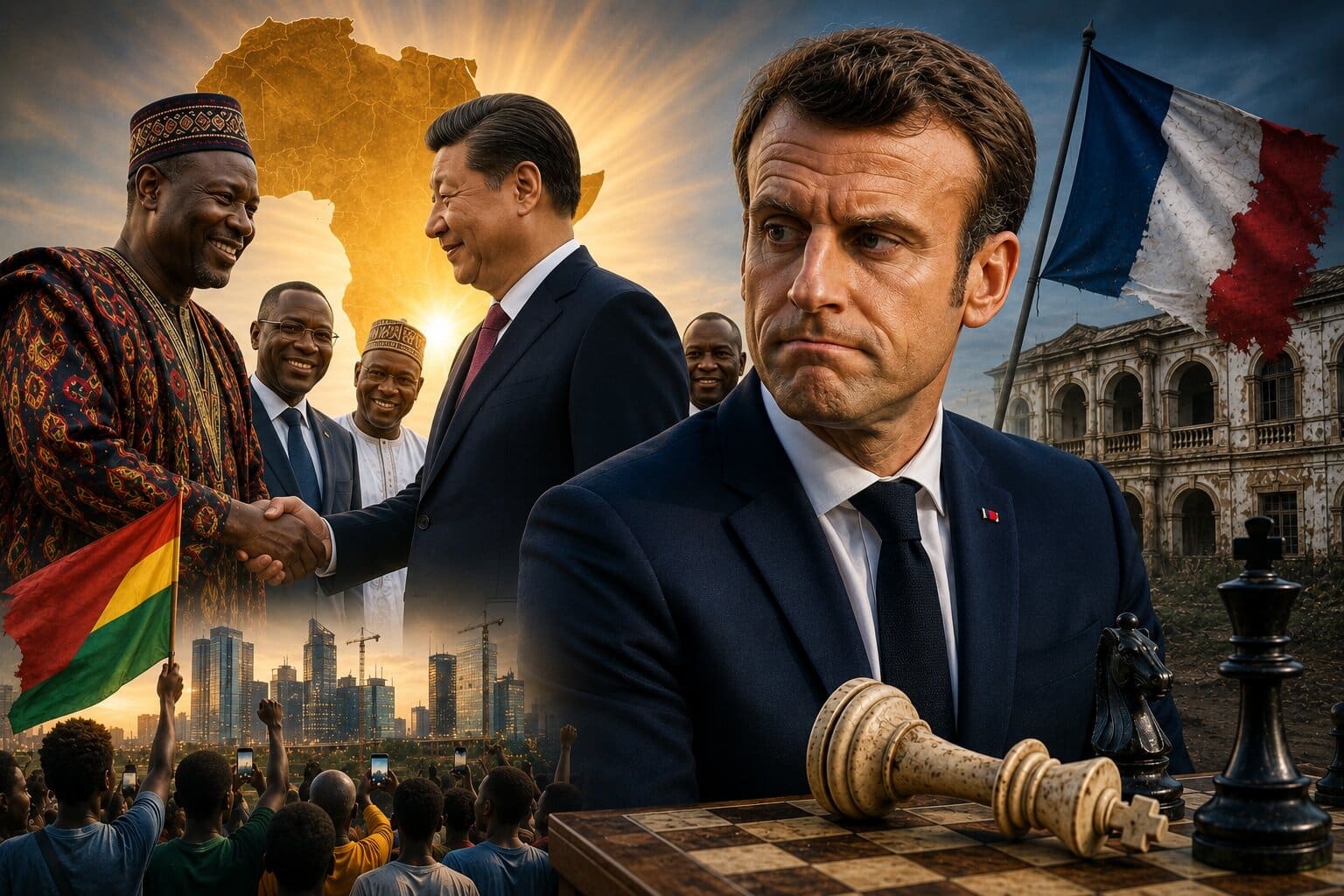
Macron's East Africa Focus: A Strategic Reorientation
French President Emmanuel Macron recently concluded a multi-country tour, including stops in Egypt, Kenya, and Ethiopia, culminating at the African Union headquarters in Addis Ababa on May 15, 2026. This diplomatic outreach appears to be a concerted effort to recalibrate France's engagement with the African continent, particularly as its influence has waned in traditional francophone regions like the Sahel.
Observers suggest that this pivot towards Anglophone East Africa represents an attempt by Paris to maintain its presence on the continental stage. This comes at a time when global powers such as China, Russia, and the United States are intensifying their own economic and security engagements across Africa. African economies are experiencing significant growth, leading to a re-evaluation of international partnerships by African capitals.
Rhetoric and Reality: The 'Congo Basin' as a New Focal Point
During his tour, President Macron utilized elevated rhetoric, notably describing the Congo Basin as the "new heart of the French language." This linguistic emphasis is seen by some as a diplomatic overture designed to appeal to a region deemed crucial for France's renewed African strategy. However, this narrative unfolds against a backdrop where France has been outpaced by substantial Chinese investments, Russia's growing security presence, and the effective, albeit often subtle, technological influence of the United States.
African leaders, including the President of Congo, have articulated a clear stance on the evolving nature of their international relations, signaling an end to the traditional 'Françafrique' model. The Congolese President's decision to send a minister rather than attending the 'Africa Forward' summit in Nairobi personally is seen as a symbolic demonstration of Brazzaville's preference for a multi-aligned diplomatic approach, prioritizing national interests over historical ties.
Enduring Perceptions: From Giscard to Macron
France's strategic reorientation towards East African nations like Kenya and Ethiopia is presented as a new initiative. However, critics suggest that the underlying approach, characterized by a perceived condescending tone veiled as partnership, remains consistent with past French foreign policy across different presidential administrations. This strategic pivot is also interpreted by some as an acknowledgment of declining French influence in francophone areas, where anti-French sentiment has reportedly intensified.
In Ethiopia, Macron's pledge to assist in rebuilding a national navy for a landlocked country underscores France's urgency to establish a foothold in the Horn of Africa. Despite maintaining a military base in Djibouti, France faces increasing competition from other regional and global actors, including Turkey, the UAE, and various Asian powers, for market share and influence.
Ethiopia: A Test of Enduring Influence?
The selection of Addis Ababa, home to the African Union and a nation of 120 million people, as a key destination for Macron's tour highlights its perceived strategic importance. French initiatives, such as debt restructuring and a €600 million investment in energy, are intended to bolster France's standing. Yet, these efforts are viewed within the broader context of significant global investments, exemplified by China's Belt and Road Initiative.
France endeavors to counter setbacks experienced in countries like Mali and Niger by promoting multilateralism. However, these actions are often seen as a desperate attempt to catch up in a rapidly changing geopolitical landscape. African nations are increasingly seeking investment partners that offer added value without political interference, moving away from a reliance on traditional 'protection'. This shift in dynamics, where Africa's economic growth drives new partnerships, compels France to adapt its diplomatic strategies.
The Future of African Partnerships
Macron's 2026 tour signifies a broader trend: the end of French exceptionalism in Africa. By focusing on East Africa, Paris implicitly acknowledges the challenges to its historical model of engagement. This development underscores the growing influence of the 'Global South' in shaping international relations. The evolving landscape illustrates a former power adapting to an Africa that is actively leveraging global competition for its own development.
The future of African partnerships is increasingly being shaped by African capitals themselves, as they diversify alliances and foster regional integration. Technological hubs in Nairobi and political centers in Addis Ababa and Brazzaville are emerging as key drivers of growth. The question remains whether France can transition from a paternalistic approach to becoming one partner among many, or if this tour represents a final attempt to cling to diminishing influence.
Articles connexes
 International Relations
China Expands Duty-Free Access for African Products, Boosting Continental Economy
 International Relations
France Shifts Africa Policy: A New Era for Peace and Sovereignty
 International Relations
Congo and Mauritania Presidents Meet to Enhance Bilateral Ties
 International Relations