
High-Stakes Summit in Beijing: A Bid to Reset US-China Relations
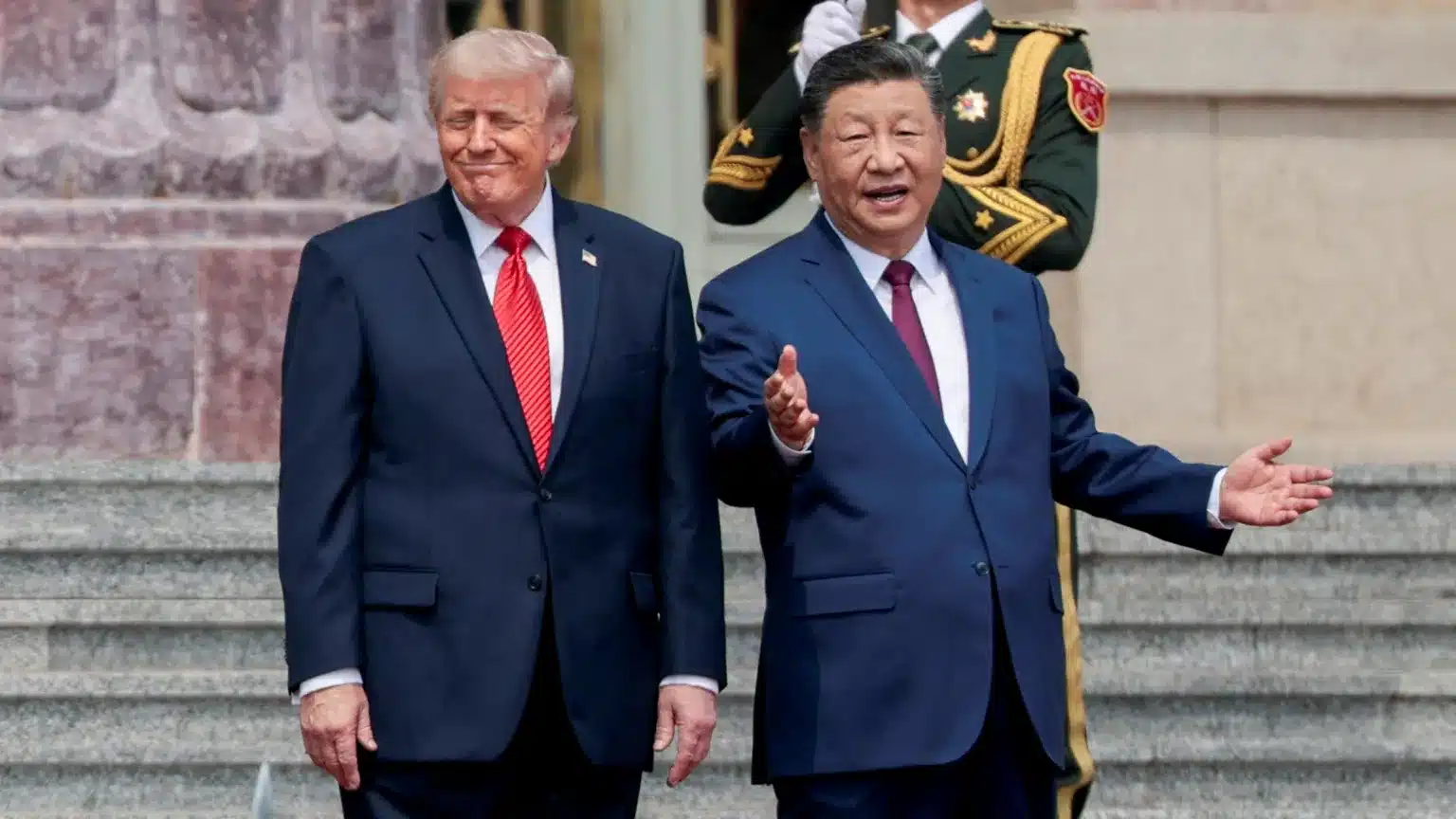
Nine years after his last visit, Donald Trump returned to Beijing for a pivotal meeting with Chinese President Xi Jinping. Received with significant pomp and circumstance, Trump's objective was to recalibrate the relationship between the two global superpowers, a move deemed critical given escalating tensions surrounding Iran and Taiwan. This historic summit, held on May 14, 2026, garnered international attention, with potential economic ramifications extending globally, including to Africa.
The encounter between Trump and Xi Jinping, widely considered the two most influential figures globally, aimed to redefine geopolitical dynamics for the coming decade. The urgency of this meeting was underscored by years of intense trade disputes and tariffs exceeding 100%, which had strained the global economy. Beyond mere protocol, the summit represented a strategic attempt to 'reset' relations and avert a complete breakdown between the two rivals.
Trump's Approach: Pomp, Praise, and Pragmatism
The reception for Donald Trump was meticulously orchestrated, featuring an honor guard, a cannon salute, and flag-waving children. True to his characteristic style, Trump offered considerable praise for his host, referring to Xi Jinping as a 'great leader' and describing their discussions as a 'precious moment.' This marked a notable shift from his previous rhetoric, which had often been critical of China.
However, beneath the surface of cordiality and photo opportunities at the Temple of Heaven, a more pragmatic reality existed: Trump was seeking a diplomatic success amidst fluctuating approval ratings in Washington. Accompanied by a delegation of thirty prominent CEOs, including Elon Musk (Tesla), Tim Cook (Apple), and Jensen Huang (Nvidia), Trump aimed to push for greater access to the Chinese market. China, in turn, leveraged the elaborate reception to project an image of stability on the global stage, with Xi Jinping positioning himself as a steadfast global leader in contrast to a perceived unpredictable American president. China's strategic leverage is significant, as it now produces a third of global goods and controls 90% of the critical minerals essential for American technology.
Critical Issues: Iran and Taiwan
The core of the summit's discussions revolved around critical strategic issues. China holds considerable influence over the Iranian nuclear issue, being Tehran's primary trading partner. With tensions high in the Strait of Hormuz, Trump hoped Xi would mediate to help reopen this vital energy corridor. However, diplomatic progress rarely comes without concessions. Xi Jinping had reportedly indicated that any advancements on Iran or trade would be contingent upon American restraint regarding Taiwan.
Taipei observed the summit with evident apprehension. If Beijing could persuade Washington to curb its arms sales to Taiwan in exchange for a trade truce or assistance in the Middle East, it could significantly alter the balance of power in the Asia-Pacific region. While specific details remained undisclosed, Xi Jinping's concluding toast, which linked the 'Chinese dream of rejuvenation' with 'Make America Great Again,' suggested a pursuit of pragmatic common ground.
Towards a Stabilized Bipolar World?
This summit is seen as potentially ushering in a more stabilized bipolar global order. China has evolved beyond being merely the world's factory; it has emerged as the second global capital. For businesses and citizens worldwide, the stability of purchasing power in 2026 could directly depend on the rapport between these two leaders. This engagement is viewed as an essential step to avert a global recession and military escalation, signaling a historic shift in the global landscape.
An invitation from Xi Jinping for a future visit to the White House in September suggests a potential phase of constructive cooperation for the next three years. The underlying realization for both powers appears to be that their interdependence is too profound to engage in self-destructive conflict. The symbolic toast between these rivals, despite past animosity, highlights that economic realism often prevails, even in challenging circumstances. A key question remains: can Donald Trump sustain this diplomatic calm upon his return to the United States, or will domestic pressures compel him to disrupt this fragile truce? The competition for global dominance persists, merely adapting its form.
Source: Trump à Pékin : Entre faste impérial et bras de fer, un duel au sommet
Articles connexes
 International Relations
China Expands Duty-Free Access for African Products, Boosting Continental Economy
 International Relations
France Shifts Africa Policy: A New Era for Peace and Sovereignty
 International Relations
Congo and Mauritania Presidents Meet to Enhance Bilateral Ties
 International Relations