
Historic AfDB Summit Ignites Central African Transformation Vision
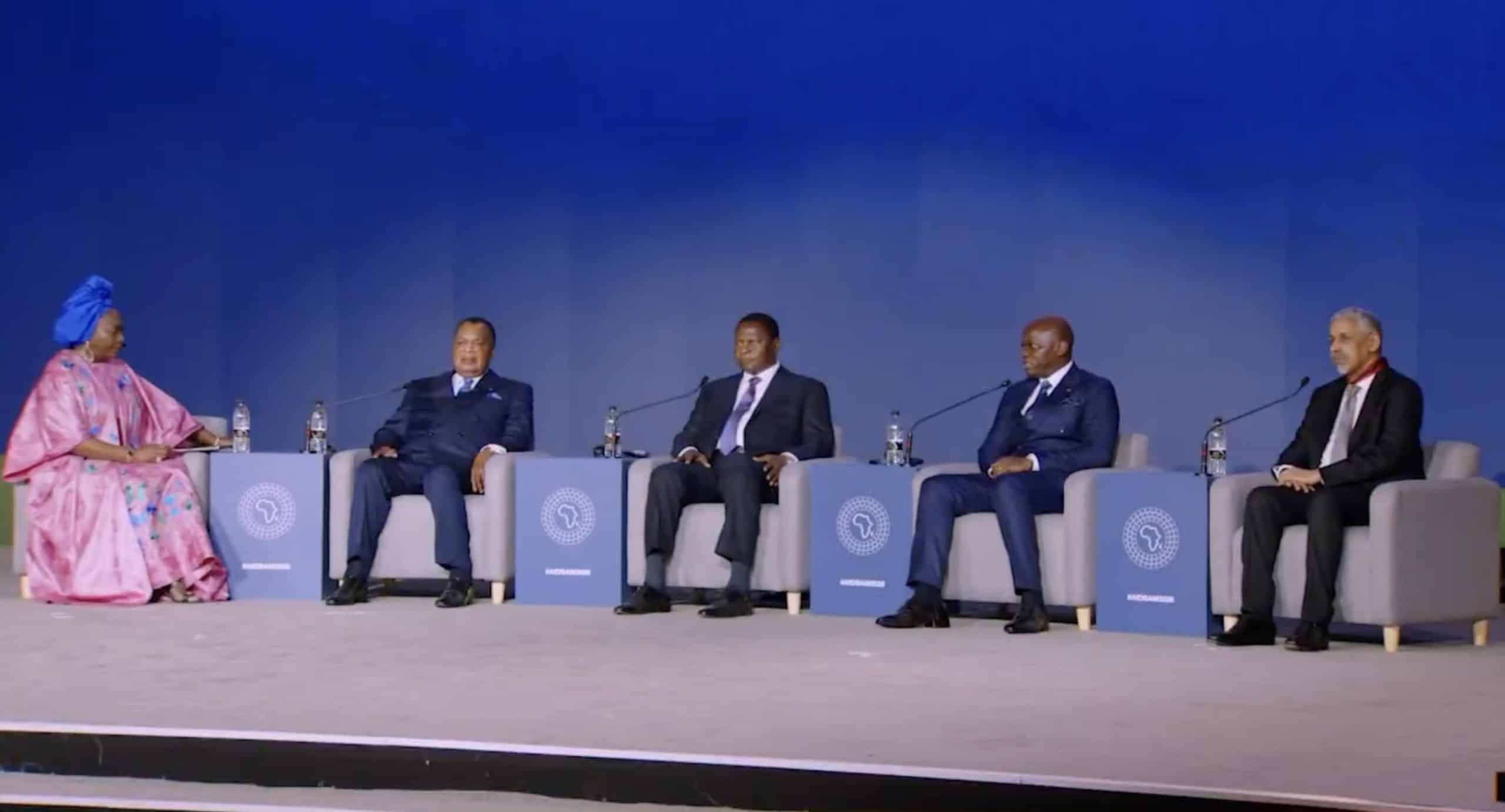
The 61st Annual Meetings of the African Development Bank (AfDB), held on May 26, 2026, at the Kintélé International Conference Centre, witnessed a pivotal moment for Central Africa. The event featured an opening address by Congolese President Denis Sassou Nguesso and a high-level presidential panel, bringing together leaders from Congo, the Central African Republic, and Gabon, alongside the AfDB president. Amid global economic pressures, these leaders forged a strategic alliance aimed at a new development architecture centered on sovereignty, local industrialization, and reducing external reliance.
President Sassou Nguesso Advocates for a More Responsive AfDB
In his opening speech, President Denis Sassou Nguesso emphasized the urgent need for accelerated modernization and energetic action across Africa. He highlighted structural challenges, stressing the importance of upgrading infrastructure networks, particularly in agriculture, energy, and digital sectors. The Congolese head of state called upon the AfDB to uphold its historical commitments and actively support African industrialization, which he identified as the continent's most critical growth driver.
President Sassou Nguesso articulated that the AfDB is more than just a financial institution, stating:
"Since its creation, the Bank has supported African countries in their development efforts. It supports infrastructure projects, access to energy, food security, regional integration, industrialization, private sector development, economic governance, and the improvement of living conditions for populations. As such, it is much more than a financial institution. It is an instrument of African solidarity, a strategic partner for states, and an important lever for the transformation of the continent."
He also used the platform to present the 'Vision Congo 2063,' a national long-term roadmap designed to enhance public governance, boost planning, and accelerate economic diversification through infrastructure modernization and human capital development.
AfDB's Seven Transformations to Mobilize $4 Trillion
Dr. Sidi Ould Tah, President of the AfDB Group, opened the high-level panel by outlining his new managerial vision for the institution. His objective is to make the AfDB more agile, swift, and responsive to the pressing needs of African populations. To overcome the continent's paradoxes, he officially announced seven major transformations within the group. This strategy aims to transform the bank into a platform capable of mobilizing African savings—estimated at nearly $4 trillion through pension funds and commercial banks—fostering synergy among all financial institutions on the continent, and significantly opening avenues for the private sector.
Leaders Detail Development Priorities: Agriculture, Timber, and Corridors
The presidential panel provided a platform for the three heads of state to openly discuss their development priorities. Congolese President Denis Sassou Nguesso, focusing on 'accelerating the march towards development,' highlighted broad-based agriculture, the production of comprehensive fertilizers in Congo, energy, and the consolidation of rail and road networks. Environmentally, he announced that 70 mature environmental projects are ready and awaiting financial support for climate protection.
Central African Republic President Faustin-Archange Touadéra passionately advocated for the financing of the CAR's national development plan and the accelerated construction of Corridor 13, a vital road infrastructure to open up his country. Gabon, represented by Brice Clotaire Oligui Nguema, reaffirmed its position as a green power with 11 national parks and 80% forest cover. The Gabonese leader stated that his country now aims to develop its timber industry by prohibiting raw timber exports in favor of local industrial processing, while preserving nature and emphasizing human capital and peace.
Significance of the Kintélé Declarations
The cross-cutting announcements from Kintélé in May 2026 signal the emergence of an unprecedented bloc of economic sovereignty in Central Africa, particularly in response to the shortcomings of traditional aid. Whether it's fertilizer production in Congo, local timber processing in Gabon, or road connectivity in the Central African Republic, these leaders are no longer seeking Western subsidies but are demanding agile and localized financial mechanisms from the AfDB. With reassuring macroeconomic prospects that depend on human capital development, the continent is asserting its international credibility. By linking these major projects with Congo's 70 environmental opportunities, Central Africa demonstrates to global markets its readiness to structure substantial and autonomous banking investments to process its raw materials domestically.
Trust, Proximity, and Resilience: Leaders' Advice to AfDB President
The session concluded with an emotional segment where the presidents offered direct advice to the new head of the AfDB. Their 'heartfelt' messages reflected the immense expectations of their nations:
- Denis Sassou Nguesso conveyed a powerful message: "Well, I simply say, we have confidence. That's it, we have confidence."
- Faustin-Archange Touadéra called for decentralization: "I would ask him to bring his services closer to the different countries, because his global positioning sometimes makes it difficult to accelerate priority projects."
- Brice Clotaire Oligui Nguema concluded with a message of resilience: "So my advice to the president of the AfDB group is not to get discouraged."
The resolutions from Kintélé and the frank dialogue among Denis Sassou Nguesso, Faustin-Archange Touadéra, Brice Clotaire Oligui Nguema, and Dr. Sidi Ould Tah mark a historic turning point for the continent's financial governance. By demanding a faster, more localized bank capable of transforming timber, energy, and agriculture locally, Central African leaders are setting an ambitious course. The question remains whether the AfDB's central administration will accelerate its audit procedures to unlock the necessary funds for Corridor 13 or Congo's 70 green projects before the end of the year.
Source: Original Article
Articles connexes
 business
African Development Bank Summit 2026: A New Financial Strategy for Africa
 business
Congo Republic Unveils Ambitious Industrialization Plan to Reduce Oil Dependence
 business
Africa's Bold Financial Strategy: Mobilizing $4 Trillion at AfDB 2026 Summit in Brazzaville
 business