
AfDB Annual Meetings Address Africa's Economic Future
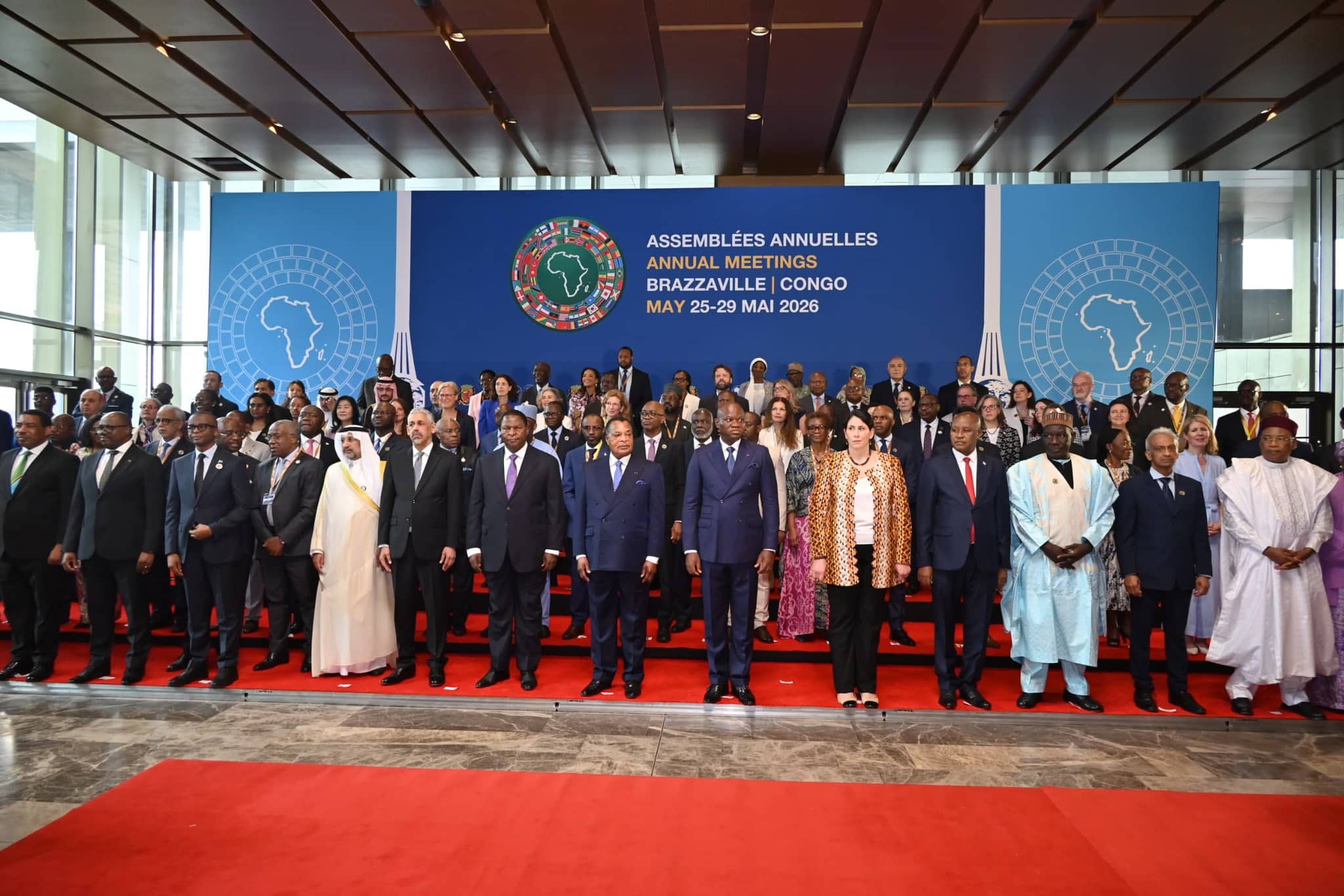
Brazzaville, Congo, is currently hosting the 61st Annual Meetings of the African Development Bank (AfDB) Group, from May 25 to 29, 2026. This significant gathering brings together central bank governors, public policymakers, international investors, and civil society representatives from AfDB member states. The summit's central focus is to establish a new framework for capital mobilization, aiming to reduce Africa's reliance on development aid and independently finance crucial infrastructure projects, especially in light of global geopolitical and economic pressures.
Self-Reliance Amidst Global Instability
The proceedings commenced against a backdrop of global macroeconomic uncertainties and geopolitical tensions that have strained traditional financial channels. Ludovic Ngatche, Congo's Minister of Economy, Statistics, and Regional Integration, and current Chair of the AfDB's Board of Governors, emphasized the urgent need for African nations to secure rapid and cost-effective financing from their own resources. He highlighted that this approach is vital for the continent's long-term economic survival.
Discussions among participants underscored a collective ambition to develop high-quality infrastructure across Africa. Key priorities include expanding energy access, funding scientific research, ensuring food security, adapting to climate change, fostering regional market integration, and critically, creating sustainable employment opportunities for Africa's predominantly young population.
Sidi Ould Tah's Vision for Catalytic Investment
To tackle these substantial challenges, the summit's theme advocates for innovative and practical financial solutions. Dr. Sidi Ould Tah, President of the AfDB Group, unveiled a transformative vision: to unlock Africa's financial potential by leveraging public funds to attract private investment. His strategy aims for every public dollar invested to generate ten dollars through optimized public-private partnerships (PPPs).
"What ultimately matters is not just our ability to identify the right challenges. It's our ability to build the instruments capable of changing outcomes. The African Development Bank must increasingly position itself not only as a financing institution, but as a catalytic institution. A platform capable of reducing risks, mobilizing more capital, connecting African and international investors, and transforming scattered opportunities into bankable investments. Because public balance sheets alone will not finance Africa's future."
Dr. Ould Tah stressed that public balance sheets alone cannot fund Africa's future, advocating for the AfDB to evolve into a catalytic platform that mitigates risks, mobilizes capital, and links investors to opportunities.
Shifting Away from Aid Dependency
The catalytic strategy promoted in Brazzaville signals a deliberate move away from the traditional reliance on public development aid for Africa. In a global landscape where Western budgets are tightening, Africa recognizes that its vast development needs—including industrial corridors, energy systems, rapid urbanization, digital infrastructure, and food systems—cannot be met solely by state budgets.
By transforming the AfDB into a risk-reduction mechanism capable of converting each public dollar into ten dollars of private investment, Africa is establishing a sovereign and highly attractive financial engineering model. This approach is crucial for reassuring international markets, securing local supply chains, and providing a viable economic future for African youth without increasing public debt.
Recognition and Future Outlook
The opening ceremony also included special recognition for the teams involved in organizing the event. Congolese President Denis Sassou N'Guesso awarded six AfDB executives with the Congolese Order of Merit for their contributions to the summit's success. Dr. Sidi Ould Tah and Chioma Onukogu were elevated to the rank of Commander, while four other executives were made Knights.
The catalytic shift initiated by Dr. Sidi Ould Tah and supported by Ludovic Ngatche at these Annual Meetings marks a new era of financial ambition for Africa. By focusing on attracting private capital rather than depending on international aid, the AfDB aims to provide Africa with the tools for economic sovereignty. The success of this model will depend on whether the promised risk-reduction reforms can persuade global investment funds to commit capital to African industrial projects and if governments can maintain the political stability necessary to safeguard these significant investments.
Source: Original Article
Articles connexes
 business
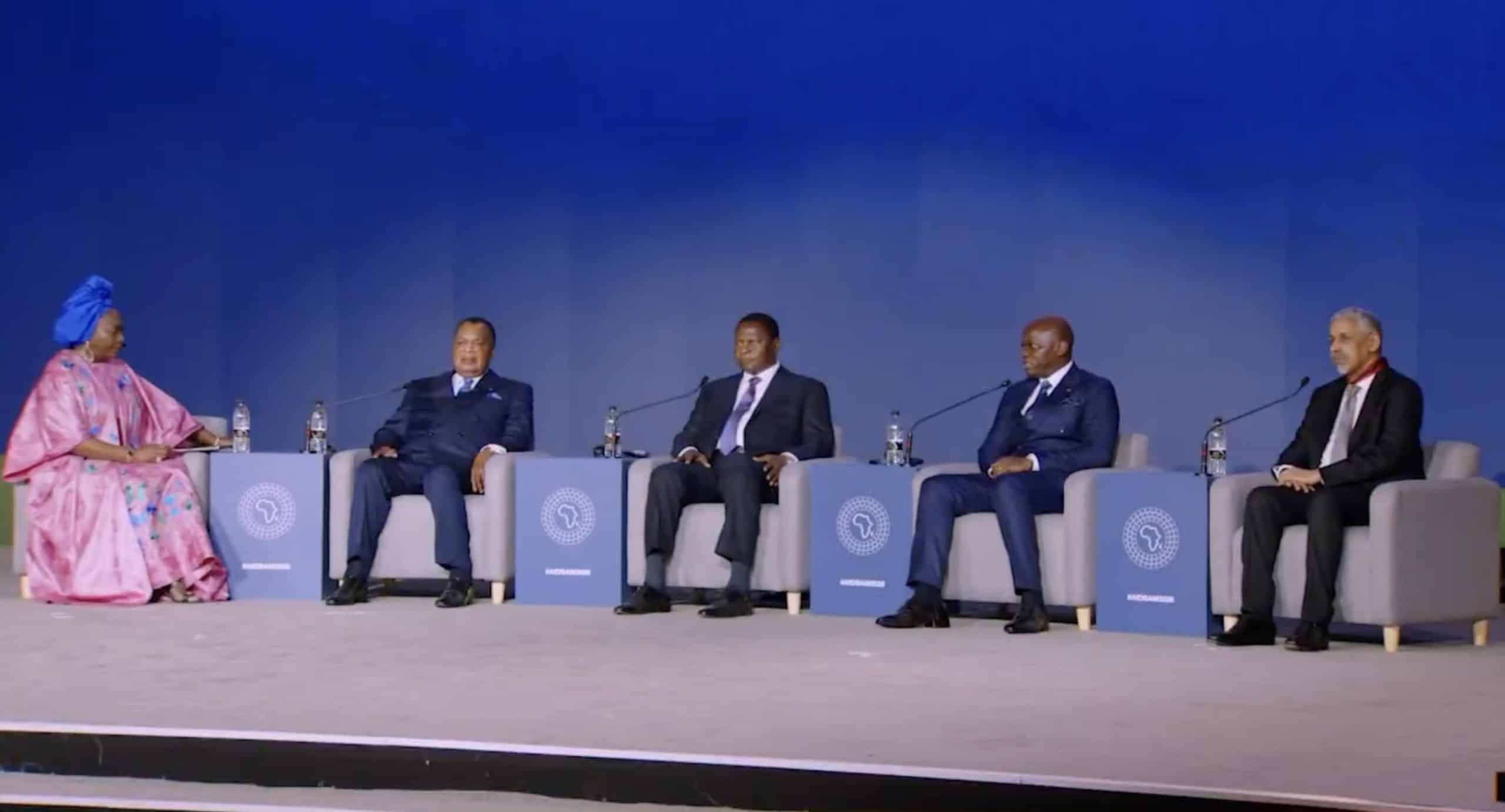
Central African Leaders Unveil Ambitious Development Plan at AfDB Summit 2026
 business
Congo Republic Unveils Ambitious Industrialization Plan to Reduce Oil Dependence
 business
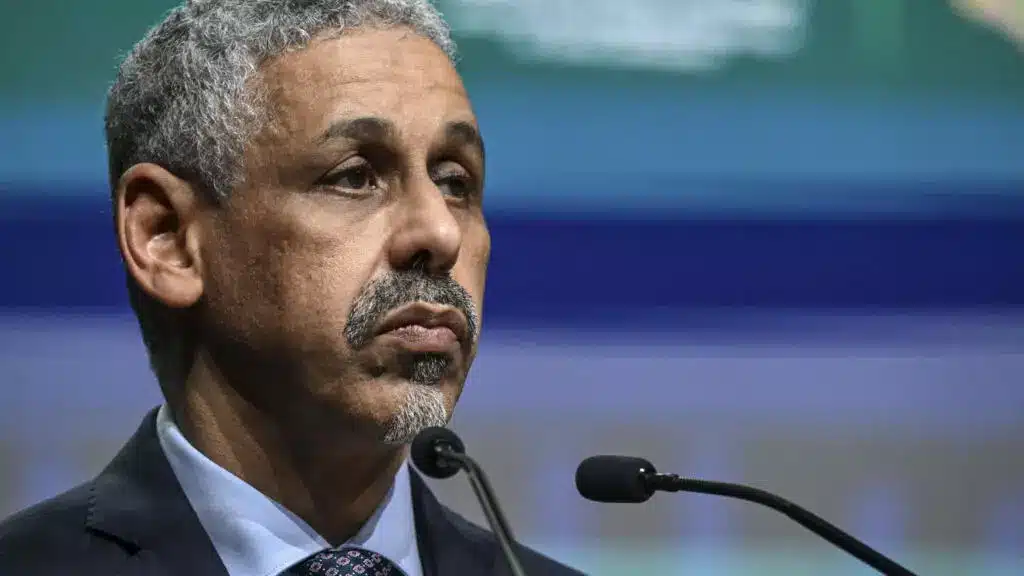
Africa's Bold Financial Strategy: Mobilizing $4 Trillion at AfDB 2026 Summit in Brazzaville
 business