
AfDB Summit in Brazzaville Aims for Financial Autonomy
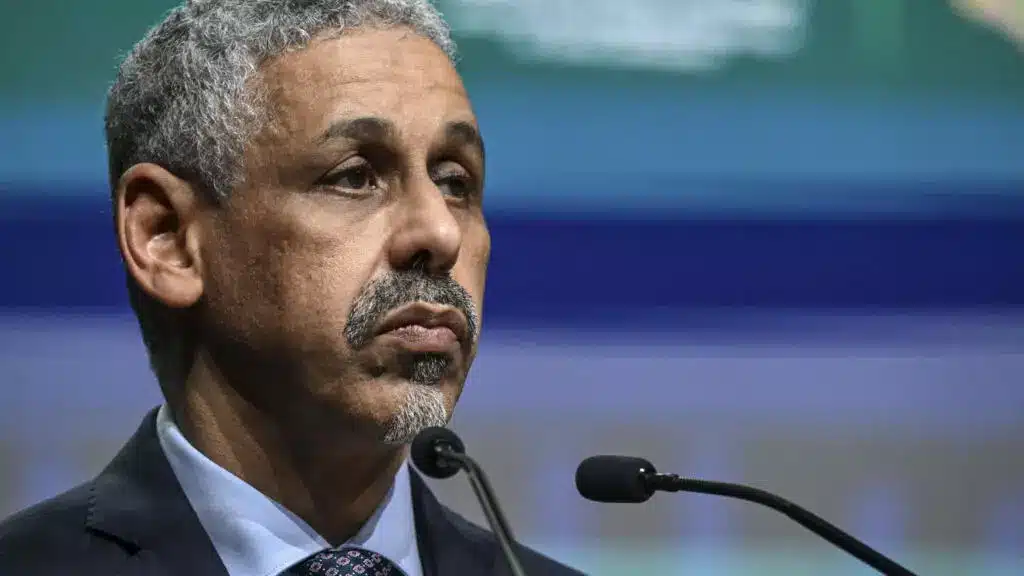
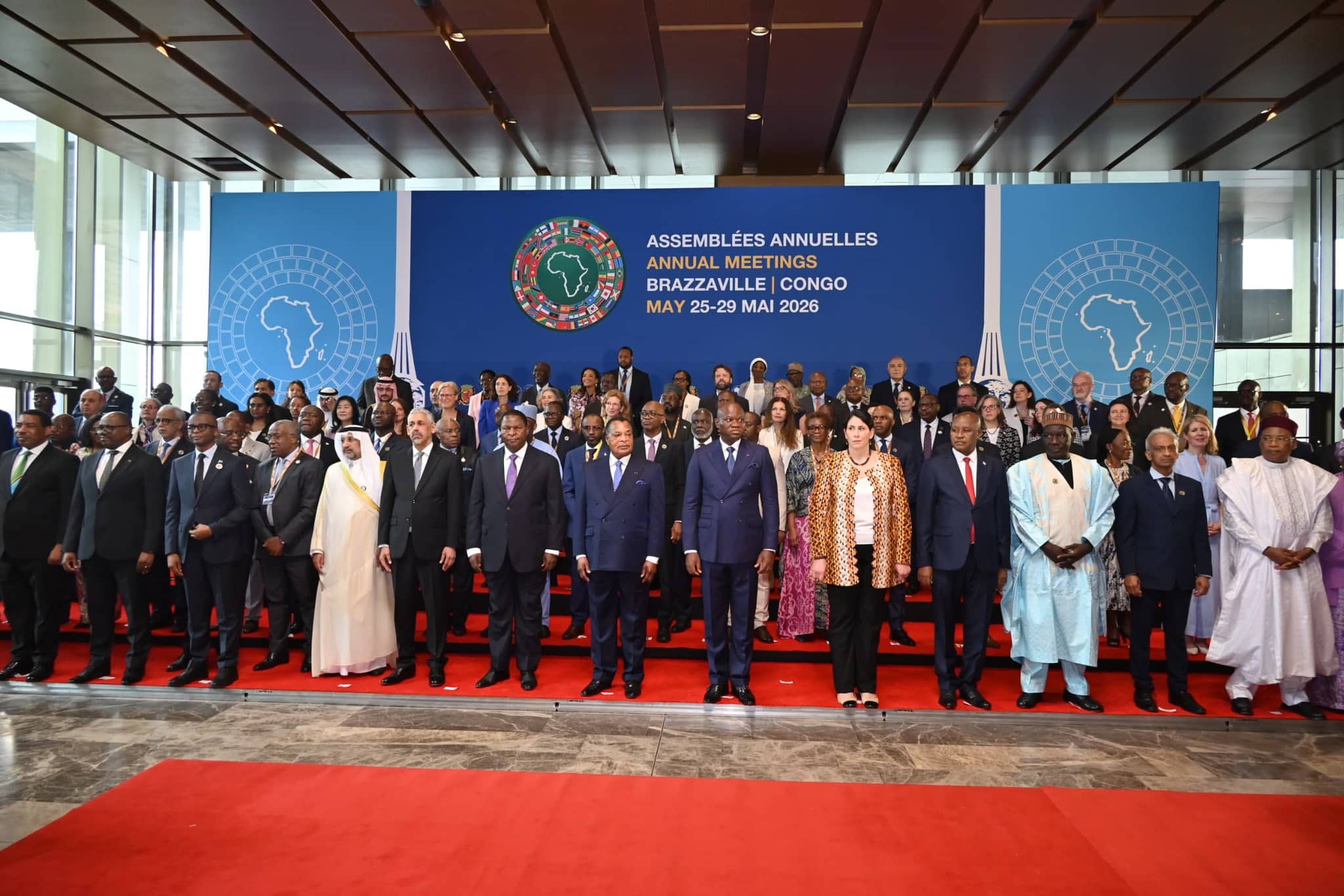
Brazzaville is hosting the annual meetings of the African Development Bank (AfDB) on May 25, 2026, marking the first major gathering under the institution's new leadership. In a period of global economic instability, these meetings are poised to be a pivotal moment, focusing on a strategy to mobilize substantial resources from within Africa to foster economic development and geopolitical realignment.
The Abidjan Consensus: Building Resilience Against Global Crises
The Brazzaville meetings commence amid a turbulent international environment. African economies are currently grappling with severe external shocks, including imported inflation and disruptions to production and distribution systems, exacerbated by the Gulf crisis. Despite these challenges, there is a prevailing sense of optimism among African policymakers, who are determined to move beyond mere resilience towards an unprecedented level of ambition. This ambition is rooted in the conviction that sustainable solutions must now originate from within the continent.
To achieve this financial sovereignty, the AfDB is implementing the recently established “Abidjan Consensus.” This framework lays the groundwork for a new African financial architecture, with a central objective of integrating this new financial engineering with the African Continental Free Trade Area (AfCFTA). The AfCFTA, a flagship continental project, has historically faced a chronic lack of capital. Discussions in Brazzaville are expected to detail how this funding gap will be addressed to facilitate large-scale industrialization across Africa.
Unlocking Africa's Dormant Savings
Africa is embarking on a fundamental shift in its approach to financing development. The traditional reliance on international development aid, concessional loans, and foreign investments has proven inadequate. A clear technical assessment indicates that the continent possesses a colossal internal financial reserve, estimated at nearly $4 trillion, which remains largely untapped for regional development. This local capital includes reserves held by central banks, pension funds, sovereign wealth funds, commercial banks, and insurance companies.
A primary reason these funds do not adequately fuel the African economy is the strict mandates of fund managers, who are often deterred by what are perceived as artificially exaggerated risk assessments from international rating agencies. Consequently, these significant capital pools are frequently entrusted to asset managers outside the continent. To break this cycle, the AfDB plans to introduce a principle of subsidiarity. By directly investing in the capital of other African financial institutions, the pan-African bank intends to act as a guarantor and a leverage mechanism. This method, already proven on a smaller scale, can multiply capital tenfold to attract substantial additional credit.
Why This Initiative is Crucial
The decisions made in Brazzaville in May 2026 signify the birth of Africa's financial independence, particularly in light of unfulfilled Western promises. OECD figures reveal a drastic reduction of nearly a quarter in international development aid over the past two years. Furthermore, post-pandemic climate finance pledges and the allocation of IMF Special Drawing Rights (SDRs) have largely failed Africa, with the continent receiving only 5% of global allocations.
In response to this global disengagement, creating a unified African financial ecosystem is deemed essential for survival. By streamlining infrastructure approval processes, which currently take 7 to 10 years due to overlapping institutional requirements, through a single audit system and a common guarantee fund, Africa aims to acquire the means to self-finance its major cross-border integration projects.
Creating a Unified Ecosystem to Accelerate Major Projects
One of the significant advancements expected from this reform is the elimination of administrative delays that hinder major national and cross-border infrastructure projects. Previously, any large-scale project, such as a dam or road network, involved multiple international organizations, each conducting its own approval and regulatory audit (due diligence) processes. This archaic system extended validation times to nearly a decade.
The establishment of a genuine “pact” among African financial institutions will enable specialization of competencies and the introduction of a common guarantee system. This overhaul of the financial architecture will allow for the collective endorsement of risk, reassuring markets and stimulating investor appetite for the large-scale projects vital for the continent's economic integration.
The AfDB annual meetings in Brazzaville represent a historic break from international financial paternalism, ushering in an era of economic self-determination. By laying the groundwork for a unified financial ecosystem capable of mobilizing the immense savings within its own institutions, Africa is moving from seeking aid to dictating its own terms. The remaining questions are whether African governments will demonstrate the necessary political will to harmonize their regulations and if local capital managers will take the decisive step towards sovereignty by investing significantly within their own continent.
Source: Le Journal du Congo
Articles connexes
 business
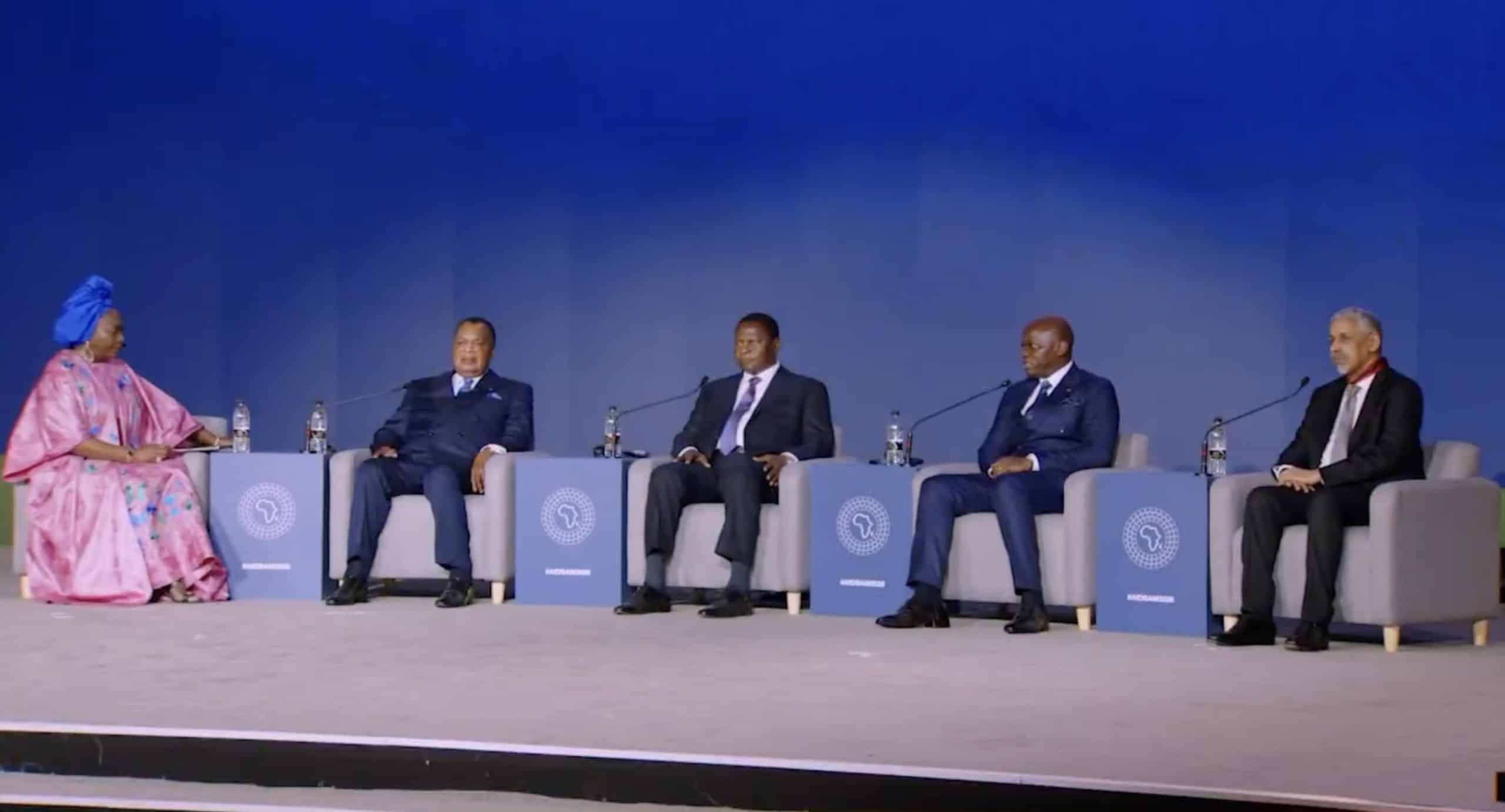
Central African Leaders Unveil Ambitious Development Plan at AfDB Summit 2026
 business
African Development Bank Summit 2026: A New Financial Strategy for Africa
 business
Congo Republic Unveils Ambitious Industrialization Plan to Reduce Oil Dependence
 business