
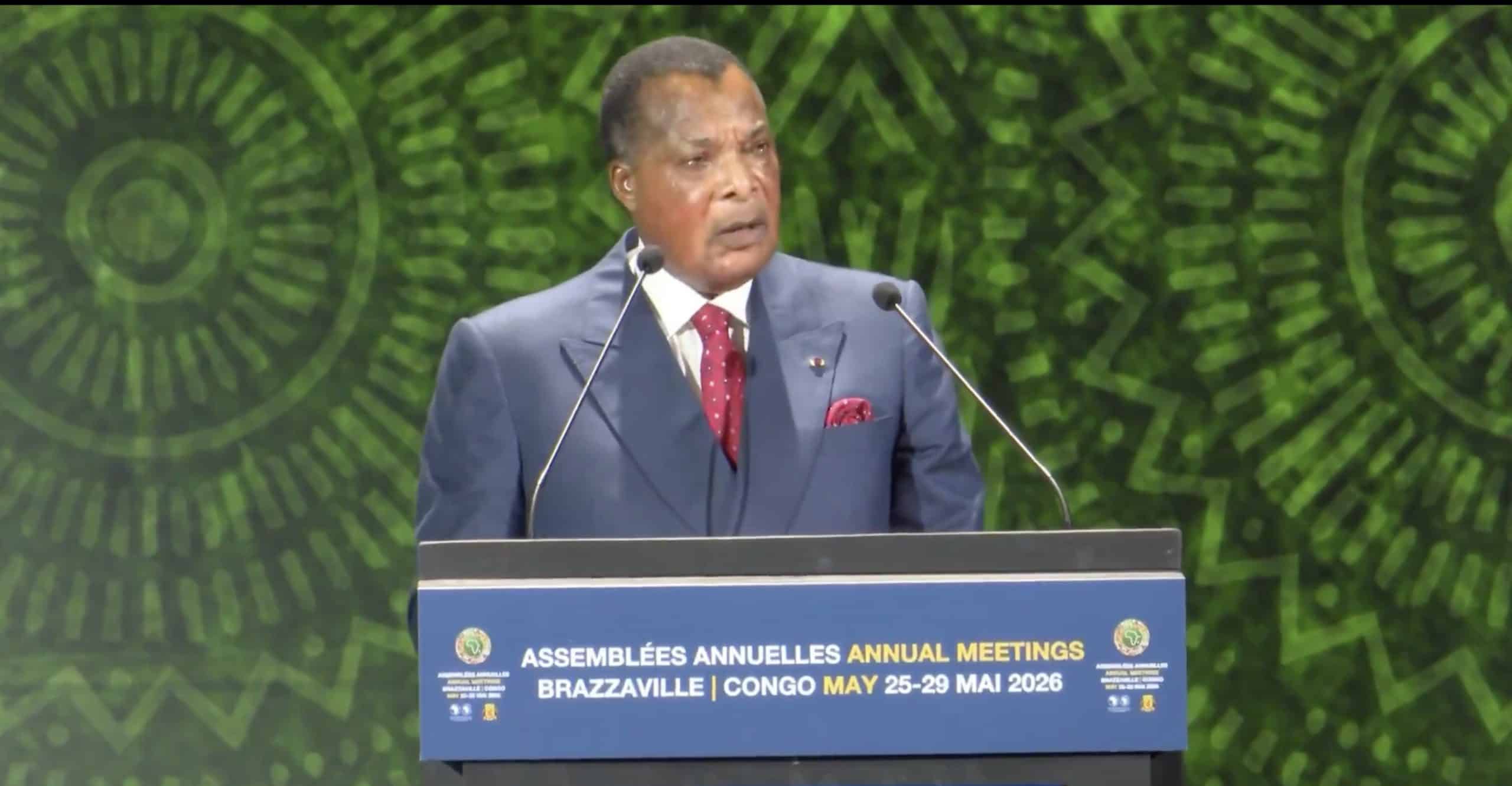
President Sassou Nguesso Delivers Key Address on Africa Day
On Monday, May 25, 2026, the International Conference Center in Kintélé hosted a solemn celebration of Africa Day, coinciding with the opening of the African Development Bank (AfDB) Annual Meetings. Republic of Congo President Denis Sassou Nguesso delivered a notable speech, invoking the spirit of African resistance and sovereignty while addressing the continent's modern ecological and economic ambitions.
Honoring Africa's Founding Fathers and Freedom Fighters
Addressing a distinguished audience of leaders and financiers, President Sassou Nguesso underscored the importance of remembering the sacrifices made by the continent's pioneers. He stressed that Africa's future must be built upon the foundational ideals of independence, sovereignty, and dignity championed by those who fought for decolonization.
He paid tribute to several pan-African heroes, stating, «I pay a vibrant tribute to these valiant fighters for African freedom and emancipation, notably Kenneth Kaunda of Zambia, father of independence and former first president of this country; Kwame Nkrumah, first president of Ghana, pan-Africanist who advocated for the total independence of the continent and the creation of the United States of Africa; Ahmed Sékou Touré, one of the leaders of the RDA party, African nationalist, who massively rejected the Franco-African community proposed by General Charles de Gaulle during the 1958 referendum; Léopold Sédar Senghor, first president of Senegal in 1960, a major actor in decolonization in Francophone Africa; Marien Ngouabi, from 1969 to 1977, president of the People's Republic of Congo, my country, assassinated on March 18, 1977, for his ardent support for liberation struggles in Africa. He left an indelible mark on the conquests of peoples on the path to freedom, justice, and prosperity.»
Africa's Environmental Contribution: The Second Green Lung of Humanity
Following his historical reflections, President Sassou Nguesso shifted focus to Africa's contemporary geopolitical significance, particularly its environmental assets. He presented Africa not as a continent of perpetual victims, but as a crucial global player with immense environmental potential.
«Objectively, with over 600 million hectares of forest, Africa remains the second green lung of humanity due to its immense vegetation cover, which is central to current ecological issues related to the survival of the planet,» the President asserted.
This statement, heard by AfDB governors and experts, firmly positions the Congo Basin and other African forests as indispensable ecological infrastructures. He implied that these natural assets warrant financial compensation commensurate with their global environmental service.
The Intertwined Struggle for Economic and Environmental Sovereignty
President Sassou Nguesso's address in Kintélé highlighted the direct link between past struggles for political independence and the contemporary fight for economic and environmental sovereignty. By referencing figures like Ahmed Sékou Touré and Kwame Nkrumah before financial institutions, he conveyed a clear political message: Africa in 2026 will not accept subordination.
Emphasizing the continent's 600 million hectares of forests, the Congolese president underscored Africa's critical ecological role in the planet's survival. He suggested that independence is no longer solely defined by treaties but also by the governance of natural resources, climate justice, and self-financing of infrastructure.
The celebration of Africa Day in Brazzaville, with its focus on Marien Ngouabi's legacy, served as a call to current leaders to prioritize their peoples' fundamental interests against external pressures. This return to the roots of African unity aims to foster a united front in global economic negotiations. Kintélé, in this context, emerged as a starting point for an assertive environmental diplomacy, where the protection of African forests is recognized for its true financial and strategic value.
President Sassou Nguesso's speech at the AfDB Assemblies on Africa Day effectively merged historical memory with climate urgency, repositioning pan-Africanism. By connecting the legacies of Nkrumah and Ngouabi with the challenge of Africa's vast forests, he emphasized Africa's pivotal role in humanity's ecological future. The question remains whether international financial institutions and African leaders will leverage this significant historical and environmental legitimacy into concrete economic power to free the continent from dependence.
Source: Original Article
Articles connexes
 politics
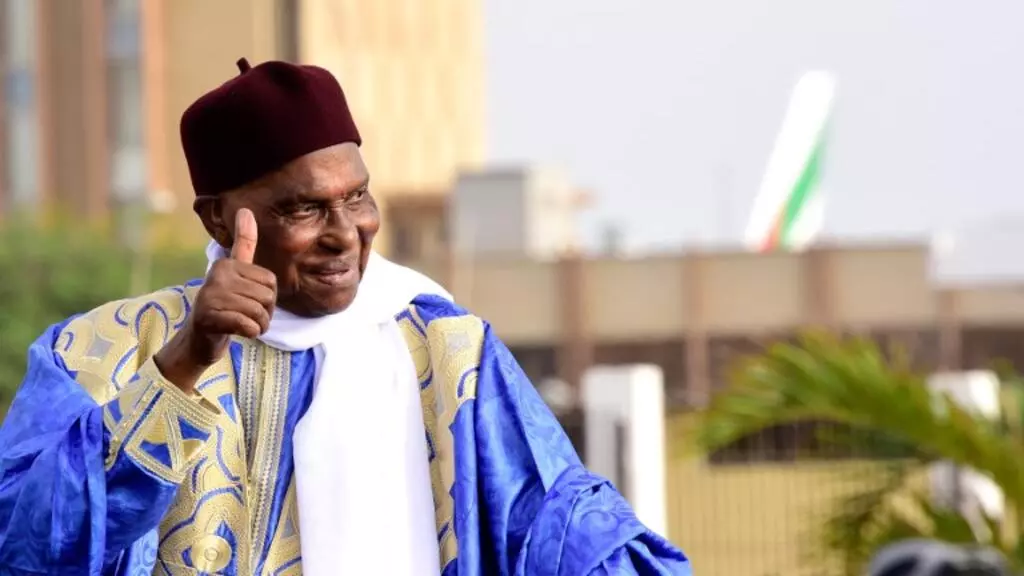
Abdoulaye Wade's Century Mark: A Life of Political Resilience and Enduring Legacy
 politics
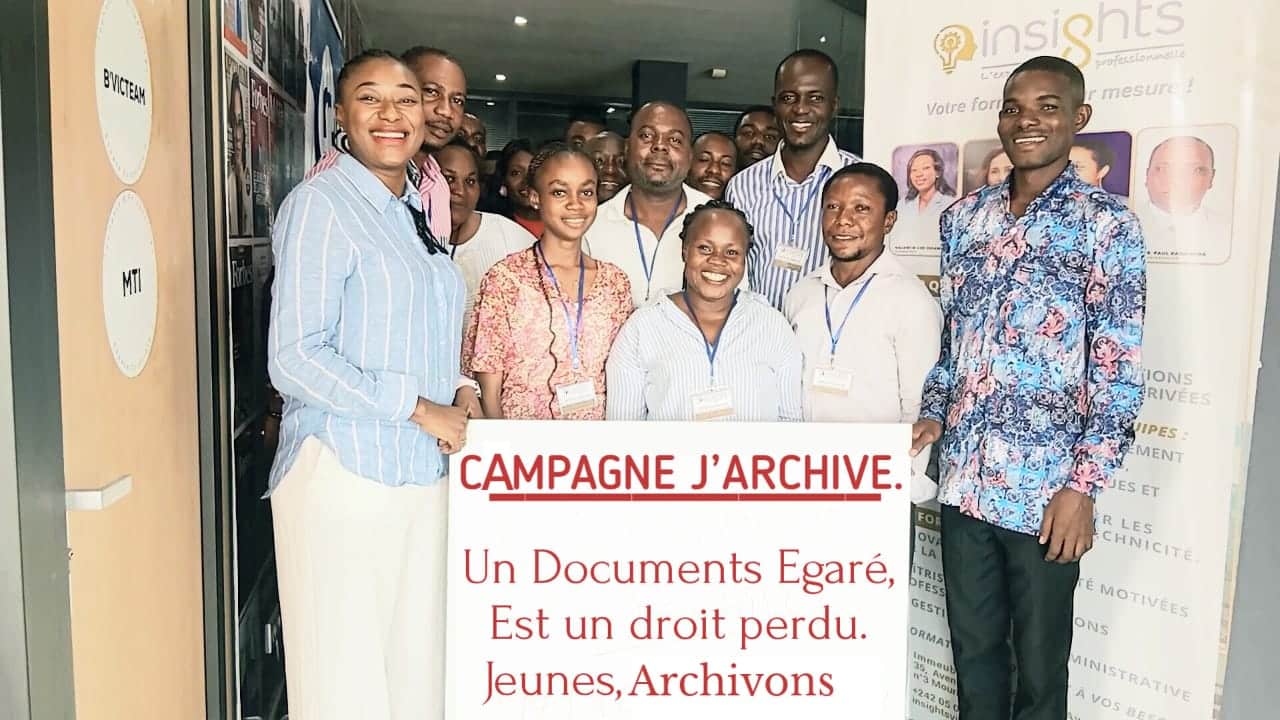
Administrative Archiving: A Cornerstone for Modernizing Public Services in the Republic of Congo
 politics
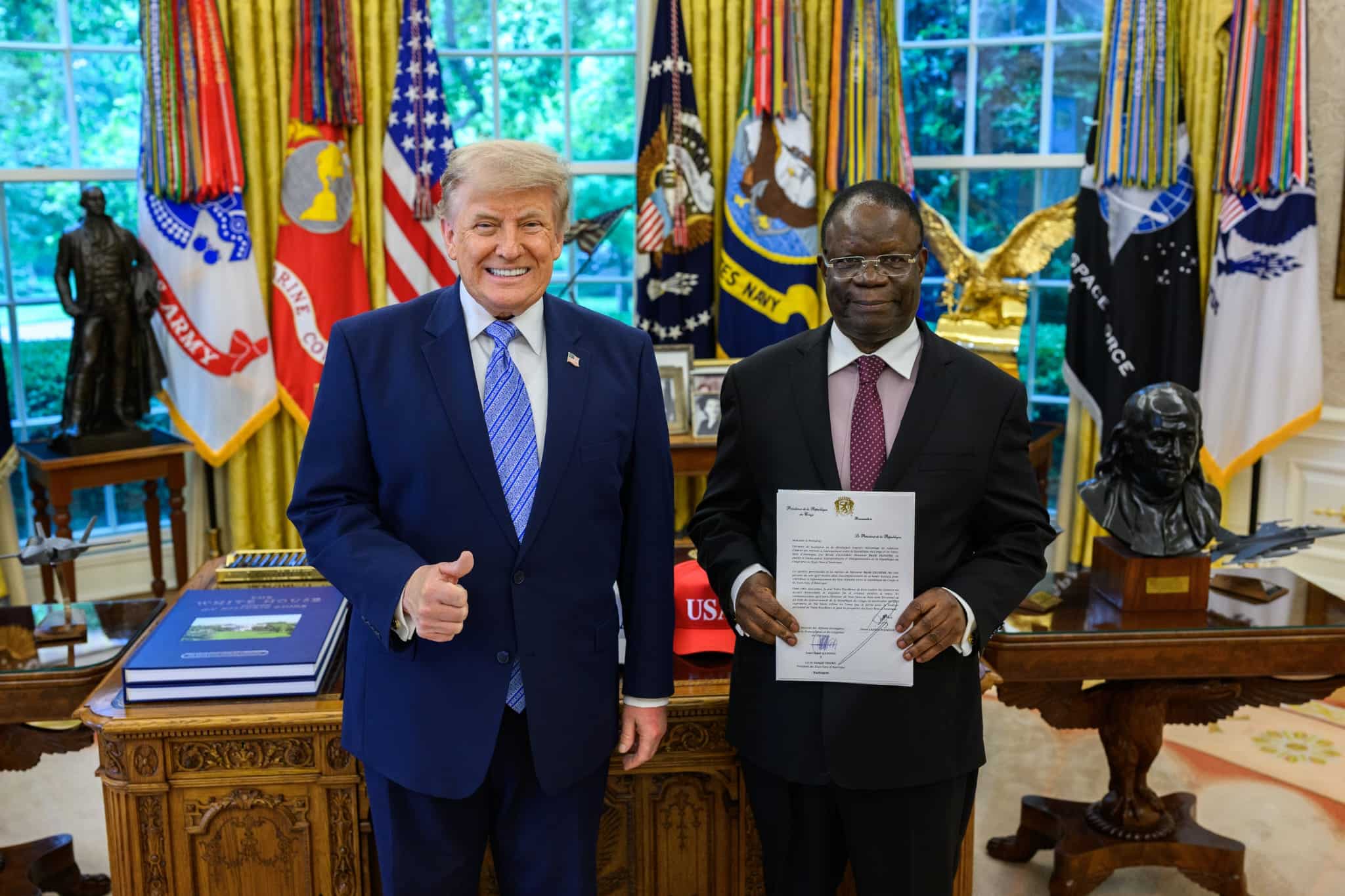
Donald Trump Welcomes New Congolese Ambassador to White House
 politics