
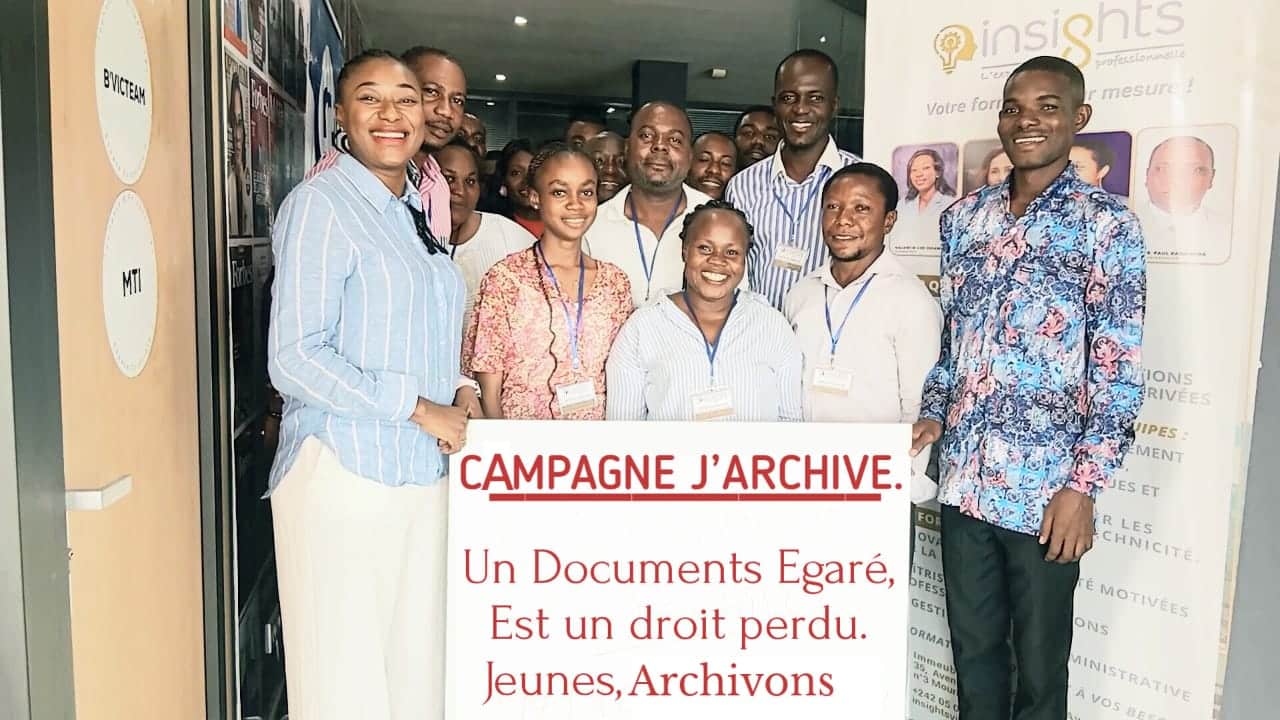
The Strategic Role of Archiving in Public Administration
Systematic management of administrative archives is a vital tool for improving the effectiveness and transparency of Congolese public institutions. Beyond a simple bureaucratic requirement, proper archiving is essential for reducing processing times and ensuring access to information. While often overlooked, this aspect directly influences the quality of services provided to citizens and the credibility of the state.
Enhancing Institutional Performance
A well-structured archiving system can significantly cut down administrative delays. When documents are easily retrievable, public servants become more productive, and citizens receive quicker responses to their inquiries. This administrative fluidity is particularly critical in sensitive areas such as issuing official documents, processing social welfare claims, and handling administrative disputes. In the Republic of Congo, where administrative human and material resources are still developing, optimizing internal processes is a necessity. Inefficient archiving leads to duplication, fruitless searches, and hidden costs that public administration can ill afford.
Transparency as a Foundation for Trust
Access to administrative information is a fundamental right in any democratic society. Rigorous archive management ensures that public documents are traceable and accessible, aligning with principles of transparency and accountability. This means administrative decisions can be explained, justified, and, if necessary, challenged with full knowledge of the facts. For citizens, this transparency strengthens the legitimacy of institutions. For government officials, it establishes a framework of accountability that discourages opaque practices and promotes sound public management. It can be asserted that "a state that masters its archives also masters its administrative history and its capacity to be accountable."
Practical Challenges in the Congolese Context
Implementing an effective archiving system requires investment in appropriate facilities, storage equipment, trained personnel, and increasingly, digital tools. Many Congolese administrations still rely on manual methods, exposing archives to risks of deterioration, loss, or insecure access. The transition to digital archiving presents both an opportunity and a challenge. While it allows for better preservation and more efficient retrieval, it demands technical expertise and data security measures that not all public services currently possess.
An Investment in the Future
Viewing archiving as a strategic investment rather than an administrative burden shifts the perspective. The benefits accumulate: reduced delays, improved service quality, strengthened citizen trust, and facilitated democratic oversight of public actions. For Congolese institutions, establishing clear archiving standards, training staff, and allocating adequate resources are indispensable steps towards a more efficient and legitimate administration. The question is not whether archiving is important, but how Congolese public institutions can accelerate their transition to modern and sustainable archiving practices.
Source: Le Journal du Congo
Articles connexes
 politics
Abdoulaye Wade's Century Mark: A Life of Political Resilience and Enduring Legacy
 politics
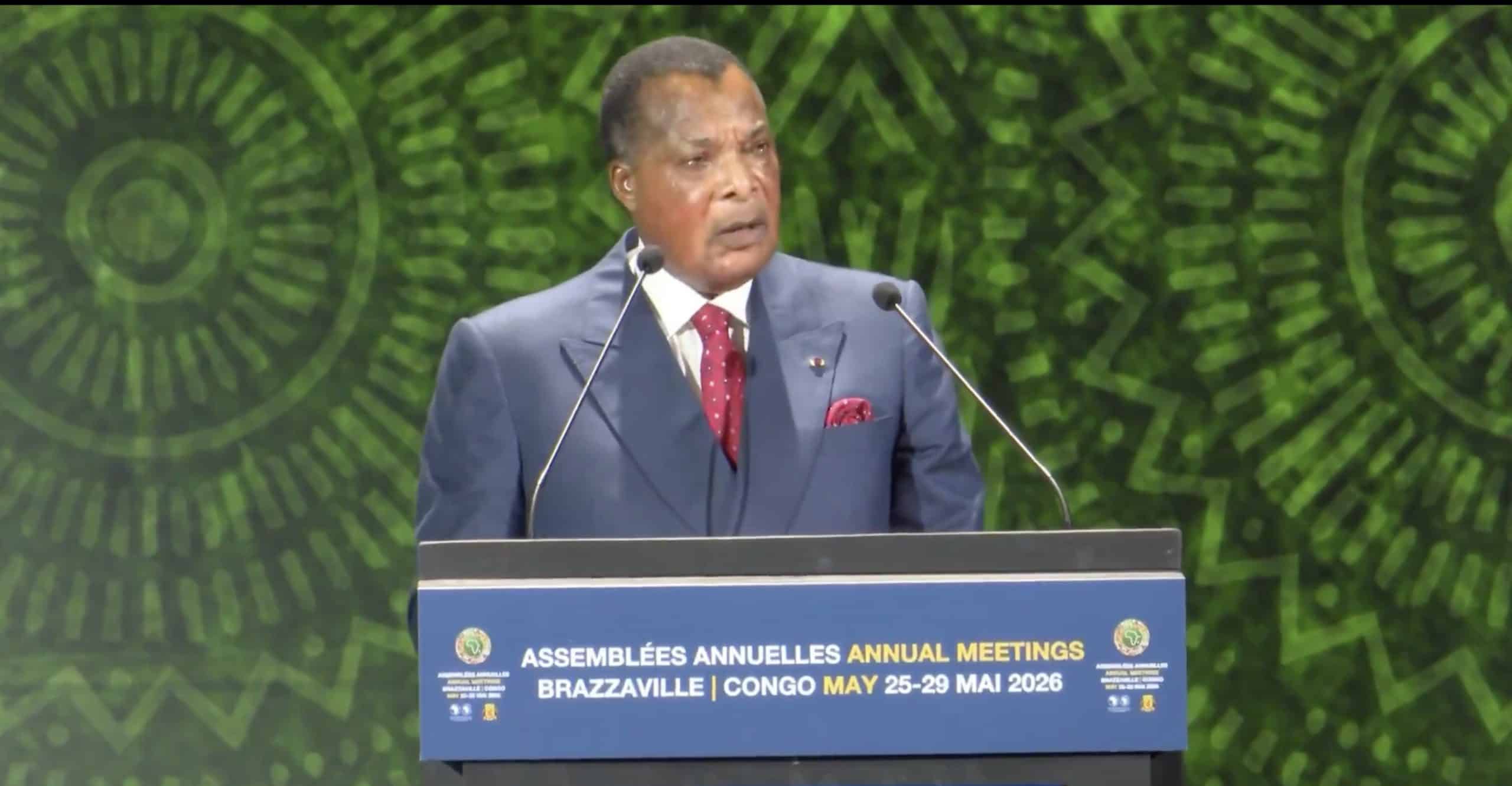
Denis Sassou Nguesso's Africa Day Speech Emphasizes Sovereignty and Environmental Role
 politics
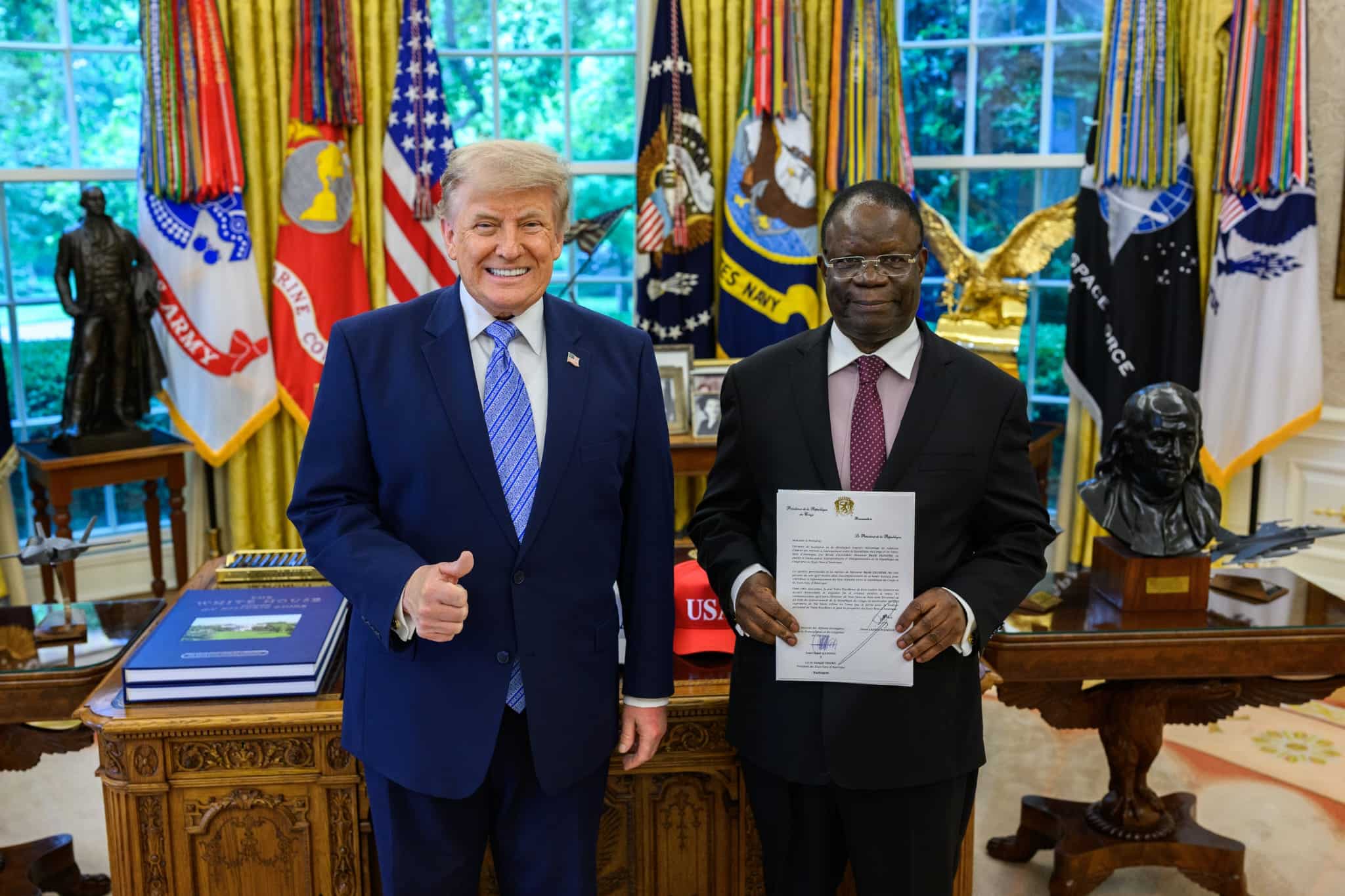
Donald Trump Welcomes New Congolese Ambassador to White House
 politics