

Macron's African Charade: A Desperate Attempt to Cling to Fading Influence
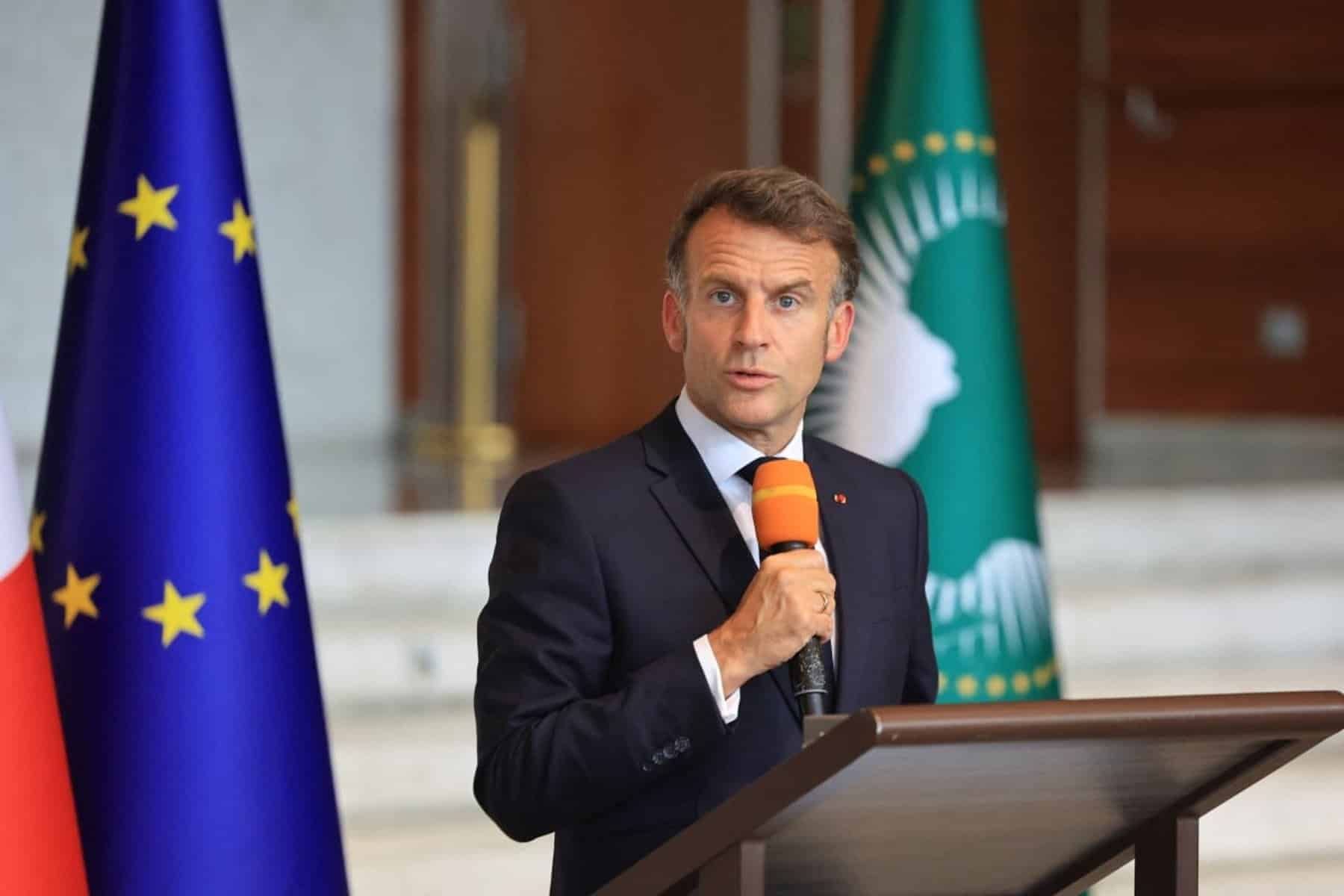
Emmanuel Macron's recent marathon tour across Africa, spanning from Cairo to Nairobi and culminating in Addis Ababa, has been widely presented as a proactive diplomatic offensive. However, a closer look reveals a more desperate reality: France is not asserting its influence but rather scrambling to salvage what little remains of it. The narrative of a strategic pivot towards East Africa, particularly towards anglophone nations, is less a sign of foresight and more an admission of profound failure in its traditional francophone strongholds.
The notion that France is merely 'pivoting' suggests a controlled strategic shift, when in fact, it appears to be a reactive flailing in the face of dwindling relevance.
The 'New Heart of the French Language' - A Hollow Compliment?
Macron's attempt to flatter the Congo Basin by declaring it the 'new heart of the French language' smacks of a desperate charm offensive. While such rhetoric might once have resonated, it now rings hollow against the backdrop of massive Chinese investments, Russia's growing security presence, and the pervasive technological influence of the United States. African nations are no longer passive recipients of European directives; they are astute geopolitical players.
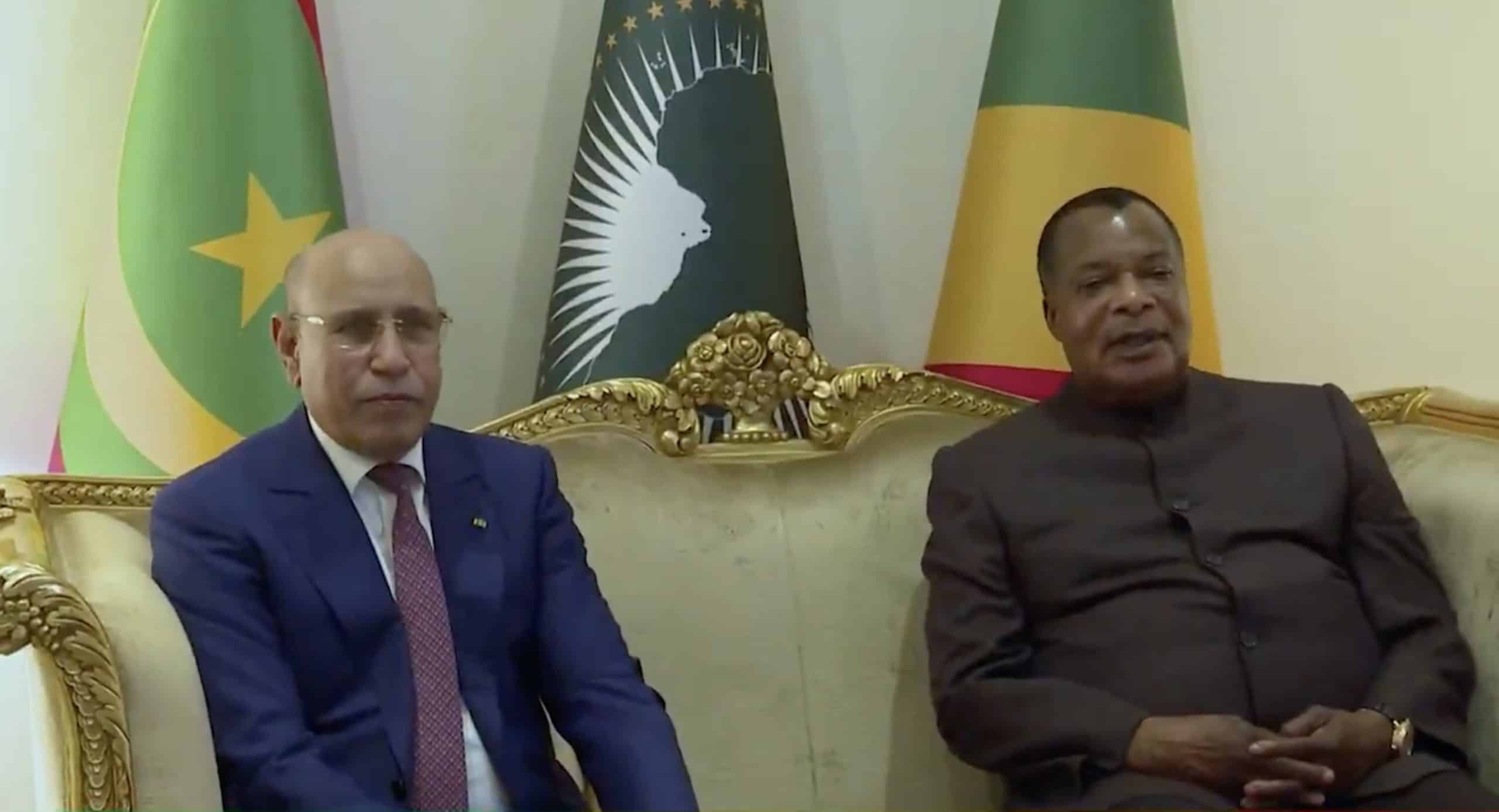
The idea that African leaders are simply 'seduced' by pretty words is condescending and inaccurate. Congo's President Sassou Nguesso, for instance, has explicitly declared the end of 'Françafrique' – a term synonymous with France's neo-colonial influence – long before Macron's recent overtures. His decision to send a minister, rather than attend in person, to the 'Africa Forward' summit in Nairobi speaks volumes. It signifies a clear shift towards a multi-aligned diplomacy, prioritizing Congolese interests above all else, rather than being swayed by Parisian 'grand speeches.'
A Familiar Tune of Condescension, Re-orchestrated for East Africa
The French strategic shift towards East African nations like Kenya and Ethiopia is framed as a novel approach. Yet, the underlying tone of condescension, a hallmark of French foreign policy from Giscard d'Estaing to Sarkozy, remains unchanged. This pivot is not a sign of adaptability but a stark acknowledgment of France's declining sway in its former francophone 'pré carré,' where anti-French sentiment is at an unprecedented high.
Macron's promise to help landlocked Ethiopia rebuild a national navy is a particularly perplexing example of this desperation. While France maintains a naval base in Djibouti, its broader influence in the Horn of Africa is undeniably eroding, challenged by the rising presence of Turkey, the UAE, and Asian economic powerhouses. This isn't about genuine partnership; it's about desperately clinging to any semblance of strategic relevance in a region where France's traditional dominance is a thing of the past.
Ethiopia: A Fragile Anchor for Fragmented Influence?
The choice of Addis Ababa, home to the African Union, as a focal point of Macron's tour is telling. It's an attempt to secure a symbolic victory, portraying France as a key player on the continent. Offers of debt restructuring and investments in energy, while presented as substantial, are dwarfed by the scale of investments from other global powers, particularly those linked to China's Belt and Road Initiative. France's attempts to position itself as a champion of multilateralism alongside figures like António Guterres can barely mask a desperate game of catch-up.
The assertion that France is 'securing maritime routes' around the Bab-el-Mandeb Strait overlooks the reality that it is no longer the sole, or even primary, arbiter in these waters. African nations are not seeking French 'protection' but rather equitable investment partners who offer genuine value without political interference. The continent's economic growth and diversified alliances dictate a new global power dynamic, one that forces Macron into increasingly awkward diplomatic contortions.
This tour doesn't signify a renewed French commitment to Africa; it marks the end of French exceptionalism on the continent. The Global South is dictating its terms, and Africa, now the undisputed center of global rivalries, is charting its own course. The critical question remains: can France truly shed its paternalistic approach and become just one partner among many, or is this merely the final act of an influence in terminal decline?
Source: Le Journal du Congo
Articles connexes
 International Relations
Macron's African Union Address: A Dubious 'Paradigm Shift' in Franco-African Relations
 International Relations
Congo-Mauritania Diplomatic Flurry: A Critical Look at the Oyo Summit's Real Impact
 International Relations