
Ghana's Drastic Action: A Response to Reality or Hysteria?
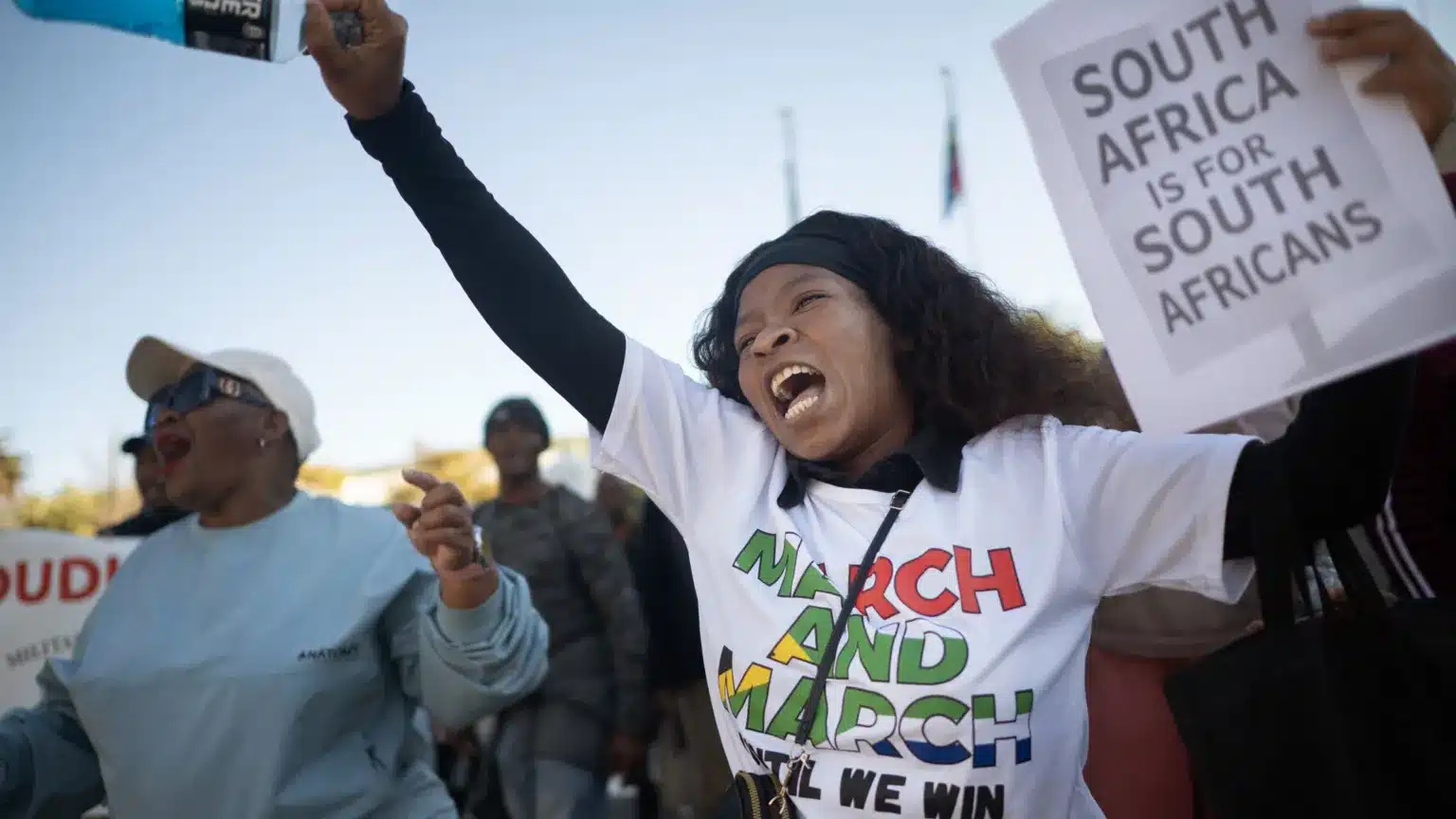
The Ghanaian government's recent announcement to evacuate 300 of its nationals from South Africa, framed as a rescue mission from rampant xenophobic violence, warrants a closer look. While the plight of any individual facing hostility is concerning, the narrative of a widespread, existential threat to foreign nationals in South Africa often seems amplified, potentially contributing to unnecessary panic and diplomatic friction.
Ghanaian Foreign Minister Samuel Okudzeto Ablakwa declared an urgent repatriation, approved by the President, following what he described as a new wave of anti-immigrant demonstrations. This move, however, might be an overreaction, as official South African statements consistently downplay the severity of these incidents, often characterizing them as isolated criminal acts rather than organized xenophobic campaigns.
The Discrepancy Between Perception and Reality
Pretoria's stance, articulated by President Cyril Ramaphosa, asserts that these are 'isolated criminal acts' and do not reflect government policy. This directly challenges the alarmist portrayal by some foreign governments and media outlets.
The stark contrast between the perceived 'climate of terror' driving Ghana's decision and the South African government's assessment is a critical point. While reports of harassment and isolated violence against foreign nationals are indeed disturbing, classifying them as a nationwide 'crisis' that necessitates an 'airlift' might be a gross exaggeration. Such actions risk inflaming tensions further and creating a self-fulfilling prophecy of fear, rather than fostering a nuanced understanding of socio-economic challenges that can sometimes manifest in localized unrest.
It is crucial to differentiate between genuine xenophobic attacks and criminal acts that may incidentally target foreign nationals. Attributing every incident to widespread xenophobia without thorough investigation risks misrepresenting the complex social dynamics at play in South Africa.
Regional Reactions: Prudence vs. Panic
Other African nations, like Nigeria, have also voiced concerns and engaged in diplomatic discussions regarding the safety of their citizens. While diplomatic engagement is appropriate, the immediate leap to mass evacuations, as Ghana has proposed, might be seen as premature. Warnings issued by countries such as Kenya, Malawi, Zimbabwe, and Lesotho are understandable precautionary measures, but they should not be conflated with an endorsement of the 'high vigilance zone' narrative that risks isolating South Africa.
The argument that the African Union (AU) must intervene at the highest level to protect Africans on the continent, while noble in principle, must be grounded in accurate assessments of threats. Overstating the problem could undermine the very principles of continental unity and free movement that organizations like the AU and initiatives like the African Continental Free Trade Area (AfCFTA) aim to promote.
The Information War and the Path Forward
The current situation highlights a significant 'information war,' where unverified videos and social media narratives can quickly overshadow official statements and factual reporting. South Africa's government has accused some of spreading 'fake videos' to stoke tensions, a claim that warrants investigation. It is imperative for all parties to prioritize verified information and avoid sensationalism.
The challenge for African leaders is to address the legitimate concerns of their citizens without succumbing to alarmism. A balanced approach would involve:
Demanding accountability for genuine criminal acts targeting foreign nationals.
Engaging in constructive dialogue with the South African government to ensure the rule of law and protection for all residents.
Avoiding rhetoric that could further stigmatize foreign nationals or paint an inaccurate picture of South Africa as a whole.
The question of whether South Africa can still be seen as the 'Land of Welcome' for the continent is a complex one, but dramatic evacuations based on potentially exaggerated threats do little to foster the unity and solidarity that Africa so desperately needs. A more measured and fact-based approach is essential to navigate these delicate social and diplomatic waters.
Source: Le Journal du Congo