The Congo's Bold Claims vs. The Reality of Maternal Healthcare
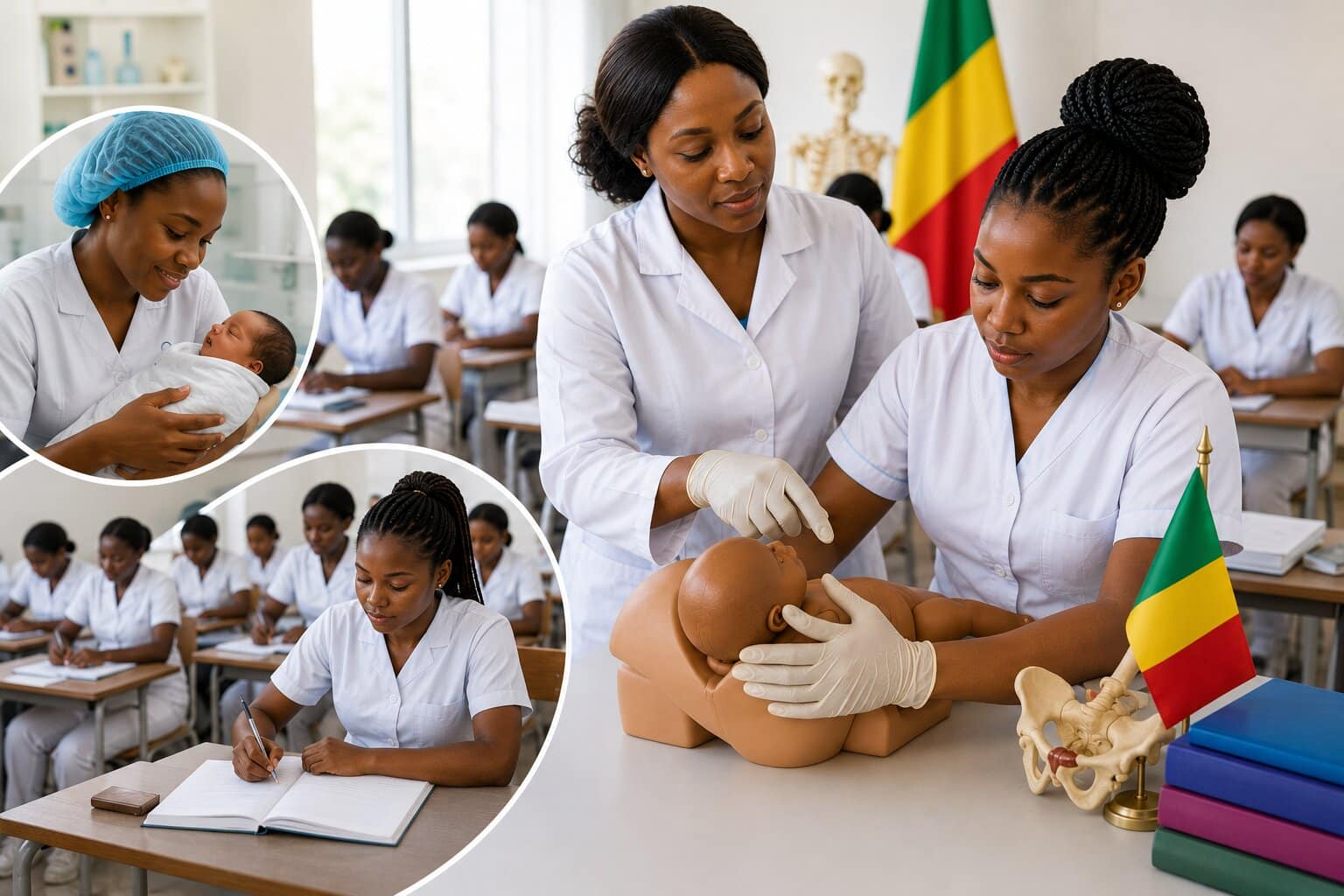
The Republic of Congo recently heralded the training of 340 new midwives between 2022 and 2025 as a significant step in its fight against preventable maternal deaths. This initiative, celebrated during World Midwife Day in Brazzaville, is presented as a 'massive reinforcement' and a 'national strategy of iron' to ensure no woman dies giving life. While any increase in skilled healthcare professionals is welcome, framing this as a comprehensive 'attack plan' or a solution that will 'save thousands of mothers' borders on hyperbole, potentially masking the immense challenges that remain.
A Drop in the Ocean: Examining the 340 Midwives
The numbers provided – 71 graduates in 2022, 116 in 2023, 70 in 2024, and 83 in 2025 – indeed show a consistent effort. However, to suggest that 340 midwives over three years will adequately 'cover every village, every integrated health center' and eradicate 'all shadow zones' in a country the size of Congo, with its vast rural areas and often challenging infrastructure, is a significant overstatement. The actual need for skilled birth attendants across the entire nation is undoubtedly far greater than this figure suggests. While the government and partners like UNFPA are commended for their commitment, the scale of this intervention needs to be put into proper perspective.
"Bino bozali bato ya liboso ya kobatela mpo na kopekisa liwa ya bamama mpe ya bana oyo bauti kobotama" (You are the first sentinels to prevent the death of mothers and newborns) - Dr. Agnès Kayitankore, UNFPA Representative.
Beyond Training: The Unaddressed Systemic Issues
The article rightly emphasizes the comprehensive training these midwives receive, covering everything from pre-conception to neonatal care, family planning, and complex obstetrical pathologies. This 360-degree expertise is crucial. However, the efficacy of even highly trained professionals is severely hampered if they operate within a broken system. The narrative largely overlooks critical systemic issues that contribute to high maternal mortality rates, such as:
Infrastructure Deficiencies: Are there sufficient, adequately equipped health facilities in rural areas for these new midwives to work effectively?
Access to Essential Supplies: Do these facilities have consistent access to necessary medications, blood for transfusions, and basic medical equipment?
Transportation Challenges: How will women in remote areas access these midwives, especially in emergencies?
Retention and Distribution: Will these midwives be equitably distributed across the country, particularly in underserved rural areas, and what incentives are in place to retain them there?
Supervision and Continuing Education: What mechanisms are in place for ongoing support, supervision, and professional development once they are deployed?
Without addressing these fundamental challenges, simply increasing the number of midwives, while a positive step, risks creating a cohort of highly skilled professionals who are unable to fully utilize their expertise due to environmental constraints.
Aspirations vs. Achievability: The 2030 Goal
The ambition to reach 'Zero preventable maternal deaths' by 2030 is noble. However, the claim that the foundations laid between 2022 and 2025 demonstrate 'the right trajectory' might be premature. While the production of midwives is a component, it is far from the sole determinant of success. A true 'attack plan' would involve a multi-faceted approach that critically examines and invests in the entire maternal healthcare ecosystem, not just a single, albeit vital, aspect.
The emphasis on 'human resilience' and moving from 'reactive care to proactive prevention' is encouraging. Yet, without a transparent and detailed roadmap for addressing the broader infrastructural, logistical, and resource gaps, the Congo's initiative risks being celebrated more for its symbolic gesture than for its tangible, widespread impact on maternal mortality across the entire nation.
Source: Le Journal du Congo