
Congo's Strategic Investment in Maternal and Neonatal Health
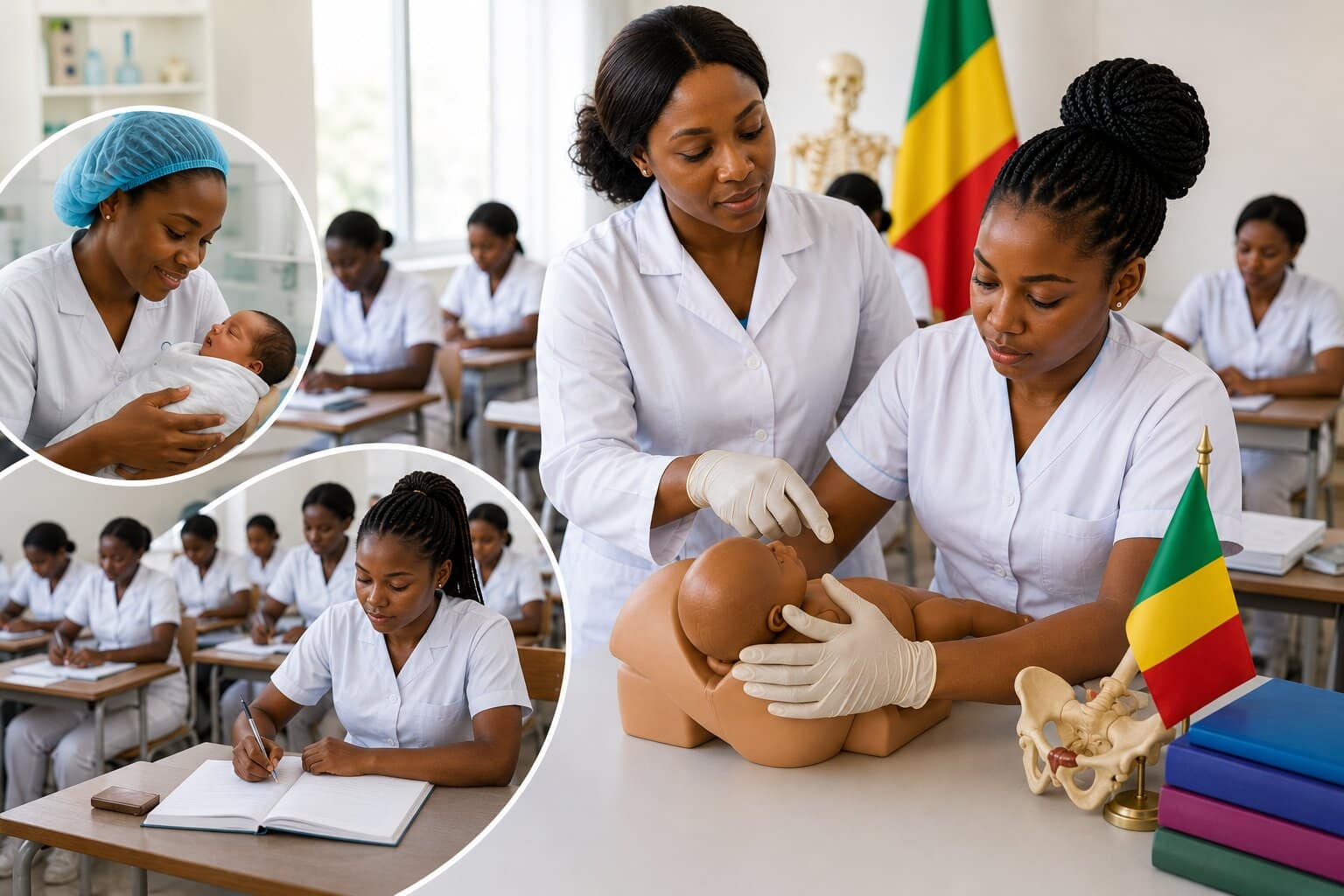
The Republic of Congo has made a substantial commitment to improving maternal and neonatal health outcomes by training 340 new midwives between 2022 and 2025. This initiative is a key component of a national strategy designed to eliminate preventable maternal deaths and ensure safer childbirth experiences across the country.
Brazzaville recently hosted a World Midwife Day celebration on May 5th, where the Ministry of Health and Population, in collaboration with UNFPA and ANASAFCO, highlighted the successful integration of these 340 qualified midwives into the Congolese healthcare system over three years. This significant increase in skilled personnel is viewed as a crucial step towards achieving the national priority of transforming childbirth from a high-risk event into a safe and celebrated moment.
Expanding Expertise: A Nationwide Effort
Under the patronage of President Denis Sassou N'Guesso, who prioritizes health security and life preservation, the nation is actively equipping itself to meet its ambitious goals. The consistent output of graduates reflects a sustained effort, with 71 midwives trained in 2022, 116 in 2023, 70 in 2024, and 83 in 2025. This reinforcement of the workforce is a cornerstone of the health roadmap, strategically coordinated by Françoise Joly, with the clear objective of addressing the growing healthcare needs throughout the territory.
The training program is built on a robust model that integrates theory with immediate practical application. Students undergo an intensive, three-level curriculum supported by continuous clinical internships. This comprehensive education goes beyond assisting with childbirth, encompassing family planning, gynecology, complex obstetrical pathologies, pediatrics, and nutrition. By 2026, a Congolese midwife is expected to be a versatile guardian of life, capable of providing a wide range of essential services.
Comprehensive Care: From Preconception to Neonatal Support
The role of a midwife in Congo now covers five vital stages of reproductive health: preconception, rigorous pregnancy monitoring, secure childbirth, advanced neonatal care, and informed family planning. Each stage demands specialized technical expertise, reinforcing the adage: « A qualified midwife at every stage saves lives. »
Partnerships, particularly with the United Nations Population Fund (UNFPA), are crucial in supporting Minister Jean-Rosaire Ibara’s objective of achieving « Zero preventable maternal deaths. » Dr. Agnès Kayitankore, UNFPA's representative, delivered a powerful message in Lingala to the participants: « Bino bozali bato ya liboso ya kobatela mpo na kopekisa liwa ya bamama mpe ya bana oyo bauti kobotama » (You are the first sentinels to prevent the death of mothers and newborns).
The Broader Impact: Human Resilience and Proactive Prevention
The reduction of maternal mortality is a driving force for the country's demographic and social stability. A society where women die in childbirth is a society in perpetual mourning. By investing in the training of these 340 midwives, Congo strengthens its human resilience. This is the indispensable step to move from a reactive care system to proactive prevention.
The initiative is seen as essential for human development and the hope of a growing nation. The emotional appeal from the President of Anafaco underscored the sacred principle that no woman should die while giving life. While the 2030 projection is ambitious, the foundations laid between 2022 and 2025 indicate a positive trajectory. However, the production of midwives needs to intensify further to reach every village and integrated health center, ensuring no area remains underserved. The fight for life is underway, with these 340 healthcare professionals at the forefront. The challenge is significant, but political will and the commitment of financial partners like UNFPA envision a future where the cry of a newborn is never followed by the silence of the mother.
Source: Le Journal du Congo