
CEMAC's Statistical 'Revolution': A Closer Look at the Claims of Precision and Progress
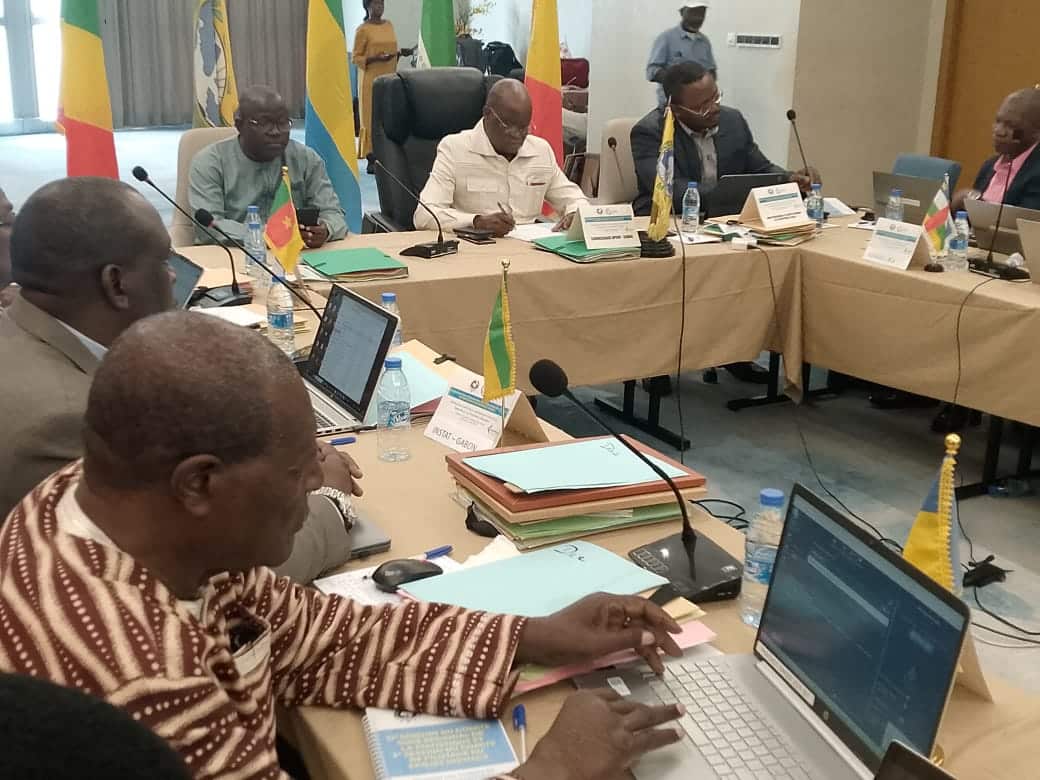
Recent reports from Brazzaville suggest a significant leap forward in statistical methodology for the six member states of the Economic Community of Central African States (CEMAC). From May 11-13, 2026, experts convened to review the Stat-CEMAC and Hiswaca projects, heralded as ushering in an era of unprecedented technological rigor and data precision. While the rhetoric is certainly compelling, it’s crucial to scrutinize whether these initiatives truly represent a 'revolution' or if they are merely incremental improvements being presented with an overly optimistic narrative.
The Promise of Harmonized Data: A Reality Check
The core assertion is that these World Bank-funded projects will harmonize statistical systems across Cameroon, Central African Republic, Congo, Gabon, Equatorial Guinea, and Chad. The stated goal is to enable more targeted investments and responsive public policies through refined data. This is, of course, a laudable objective. However, the history of statistical reform in developing regions is often fraught with implementation challenges, capacity gaps, and political interference that can undermine even the most robust methodologies.
The claim that “precision of data is the fuel of any effective public policy” is fundamentally true. Yet, achieving this precision consistently across diverse economies with varying levels of infrastructure and human capital is a monumental task, not a foregone conclusion simply because new tools are adopted.
The article attributes this 'modernization' to the vision of President Denis Sassou N’Guesso, linking it to broader regional reforms emphasizing transparency and reliability. While political will is undoubtedly important, attributing such complex technical advancements primarily to a single leader risks oversimplifying the intricate, multi-stakeholder processes involved in genuine statistical reform.
Inflation and Population Data: Are We Truly Aligned?
One of the key advancements highlighted is the adoption of a revised methodological guide for the Harmonized Consumer Price Index (IHPC), aiming for international alignment in inflation calculation. Greater precision in these indicators is said to empower central banks and governments to protect purchasing power. While improved methodologies are always welcome, the real challenge lies in the consistent and accurate collection of raw data from diverse markets, often informal, and ensuring that political pressures do not skew reported figures.
Similarly, the endorsement of a hybrid model for general population censuses, combining field work with digital tools, is presented as a technological innovation guaranteeing exhaustive demographic coverage. This could indeed accelerate data processing. However, the success of such a model hinges on widespread access to technology, trained personnel, and robust data security protocols, all of which can be significant hurdles in the CEMAC region.
Civil Status and Data Sharing: Pillars or Potential Pitfalls?
The modernization of civil status registration (births, deaths, marriages) through a harmonized framework is portrayed as a giant leap for citizen rights and long-term social planning. While improving the quality of vital statistics is critical, the actual implementation—ensuring comprehensive registration in remote areas, overcoming cultural barriers, and integrating disparate local systems—is far more complex than simply establishing a framework. Many countries struggle with this globally, and CEMAC nations are unlikely to be an exception without sustained effort and resources.
Finally, the examination of a data-sharing agreement between national statistical institutes and the CEMAC Commission is presented as a pillar of integration. While secure data sharing is vital, the reported overall execution rate of the Hiswaca project at 52.6% suggests that much work remains. This figure, rather than indicating a launched dynamic, could also be interpreted as a significant portion of the project still pending, with potential for delays or incomplete implementation. The true measure of success will be how these new statistical capacities concretely influence the daily lives of CEMAC inhabitants, not just the technical agreements reached in Brazzaville.