Central Africa Embraces High-Precision Statistics
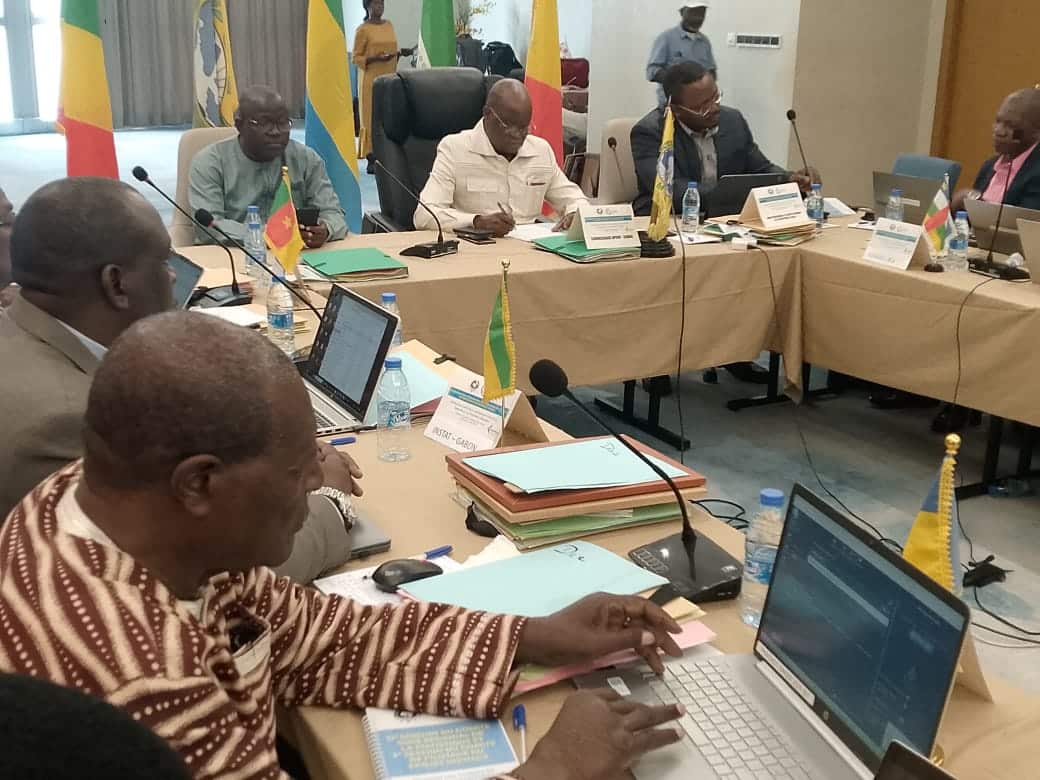
From May 11 to 13, 2026, Brazzaville hosted a pivotal meeting for the six member states of the Economic and Monetary Community of Central Africa (CEMAC), focusing on the modernization of statistical methods. This initiative, supported by projects like Stat-CEMAC and Hiswaca, introduces cutting-edge digital instruments designed to measure economic growth with unprecedented accuracy. This technological shift is considered crucial for guiding the region's development.
Experts and technical partners from CEMAC convened in Brazzaville for a critical evaluation of the Stat-CEMAC and Hiswaca programs. Funded by the World Bank, these efforts seek to standardize the statistical systems across Cameroon, the Central African Republic, Congo, Gabon, Equatorial Guinea, and Chad. The objective is to provide precise data, which is essential for effective public policy, enabling better-targeted investments, and addressing the actual needs of the population. This modernization drive aligns with President Denis Sassou N’Guesso’s vision for regional progress, emphasizing transparency and reliability in reforms.
Digital Census and Inflation Tracking Improvements
A significant outcome of the meeting was the adoption of a revised methodological guide for the Harmonized Consumer Price Index (HCPI). This update means that inflation calculations within the CEMAC zone will achieve greater accuracy, conforming to the latest international standards. Enhanced precision in these indicators will enable central banks and governments to refine their interventions, thereby better protecting citizens' purchasing power.
Furthermore, experts approved new techniques for general population censuses. A hybrid model, integrating both field operations and digital tools, has been established as the new standard. This technological innovation is expected to expedite data processing and ensure comprehensive demographic coverage, which is vital for planning future infrastructure in sectors such as health, education, and energy.
Civil Registry and Secure Data Sharing: Pillars of Integration
The discussions also addressed the modernization of civil registration processes (births, deaths, marriages). A harmonized framework has been established to improve the quality of vital statistics, in line with international benchmarks. This represents a significant step forward for recognizing citizen rights and facilitating long-term social planning within the sub-region.
Finally, a data-sharing agreement was reviewed to define the rules for transmitting and protecting information between national statistical institutes and the CEMAC Commission. With the Hiswaca project's overall execution rate estimated at 52.6%, momentum is building for each member state to develop a robust statistical system capable of informing major economic decisions.
The high precision of statistics is a driving force behind the CEMAC zone's international credibility. Reliable and harmonized figures reassure investors and facilitate the assessment of the real impact of reforms. This topic is particularly relevant as it demonstrates how digital technology can secure the future of growth in Central Africa in 2026. Refining data ensures that every political decision is based on verified reality.
Nicolas Beyeme Nguema, CEMAC Commissioner, concluded the proceedings by highlighting that advancements in employment, environment, and food balance sheets reflect a shared commitment to comparable data for guiding emergence. The vision for 2030 anticipates a region where economic management will be informed by data intelligence. The consensus among national institutes on common standards signifies a strengthening of regional unity. The practical impact of these new statistical capabilities on the daily lives of CEMAC inhabitants remains a key consideration.
Source: Original Article